You may have it at home, an old Japanese medicine that was found to have special effects on Covid-19.
Xu Jingbo Jing, president of the original Asian news agency, said that Japan
Today (May 7th), the Japanese government officially approved the new American drug "Remdesivir" to be put into clinical use as a therapeutic drug for Covid-19. At the same time, the Japanese-made antiviral drug "Farpiravir" will also be officially approved by the government in mid-May.
Another piece of good news is that an insect repellent developed by Japan 40 years ago has been found to have a special effect on Covid-19.
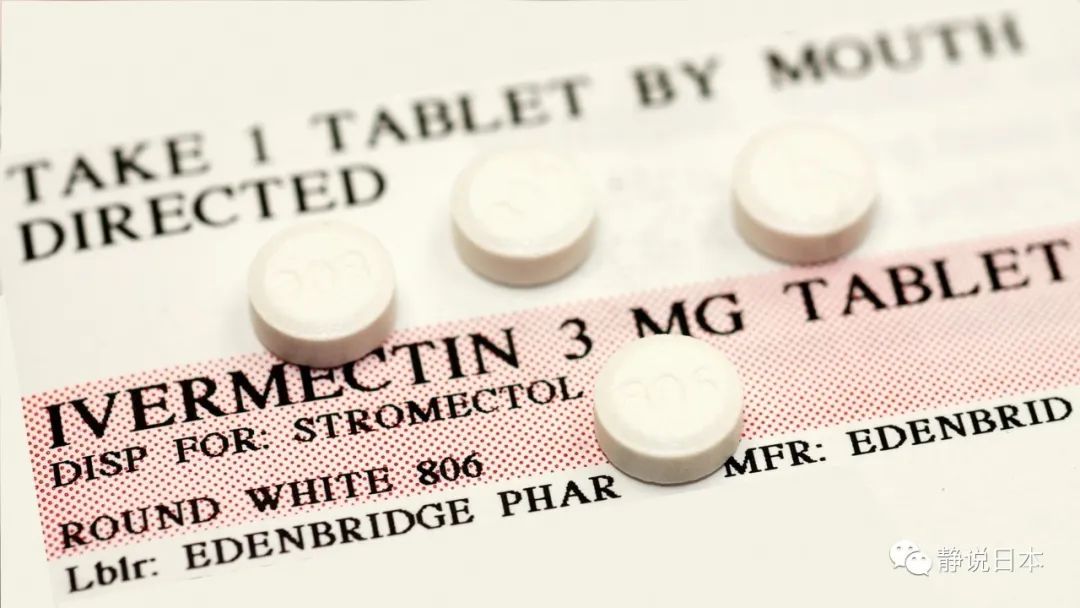
The Chinese name of this old medicine is "ivermectin" (Japanese name: ィベルメクチン, English name: ivermectin). It was developed by Mr. Satoshi Omura, the winner of the 2015 Nobel Prize in Medical Physiology and a special honorary professor at Beili University in Japan, 40 years ago, and belongs to a new type. In the 20 years since 1984, the sales volume of this drug has been the highest among similar drugs in the world.
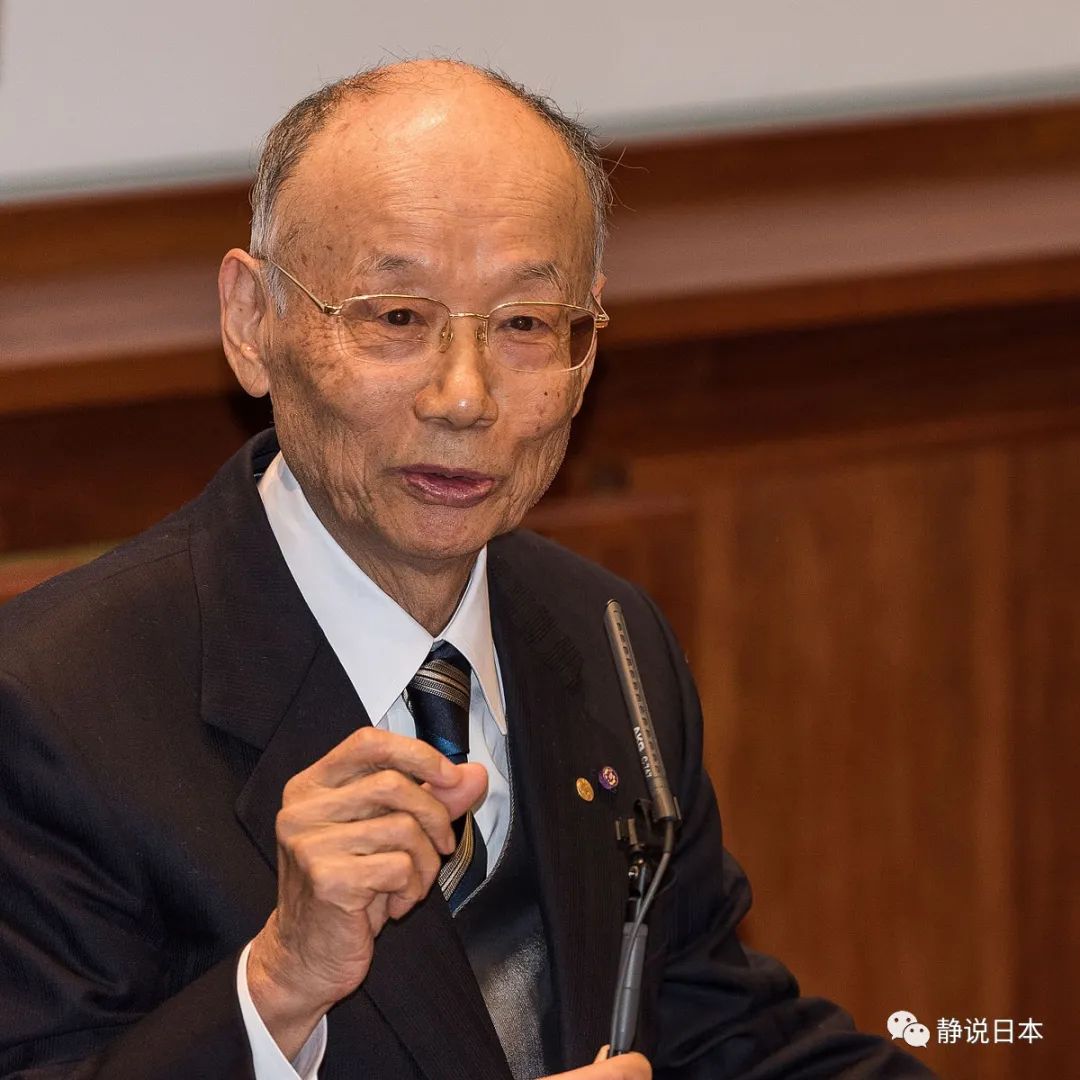
On April 4th, the research team of Monash University announced that ivermectin has obvious curative effect on inhibiting novel coronavirus, and it can prevent novel coronavirus from replicating within 48 hours if it is used once.
On April 19th, the research report published by the research group of the University of Utah in the United States also said that among the patients who need to use artificial respiration machine, the mortality rate of patients who do not use ivermectin is 21.3%, while the mortality rate of patients who use ivermectin is only 7.3%, which is about one third of that of those who do not use it. In addition, among all patients, the mortality rate of using ivermectin was 1.4%, while the mortality rate of not using ivermectin was 8.5%, a difference of 6 times.
How was ivermectin developed?
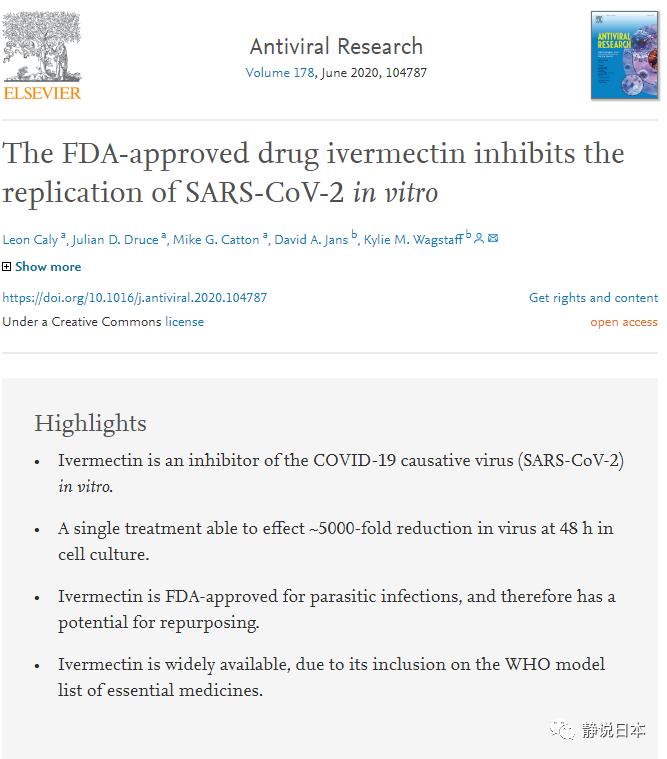
Mr. Satoshi Omura was born in a farmhouse in Shenshan Village, Yamanashi Prefecture at the foot of Mount Fuji. He has five brothers, and he is the second. Due to the busy farm work at home, Mr. Omura spent almost all his boyhood in the farmland.
After graduating from high school, he was admitted to the Education Department of Yamanashi University to study natural science. After graduation, I worked as a physics and chemistry teacher in a vocational high school for five years. In 1960, he was admitted to Tokyo University of Science to study for a master’s degree. In 1963, he became a teaching assistant in the Engineering Department of Yamanashi University. Two years later, he entered Beili Institute to engage in the research of anti-biomass. In 1968, he received a doctorate in pharmacy from the University of Tokyo and served as an associate professor at Beili University. In 1971, he was a visiting professor at Wesleyan University and went to the United States for research. In 1973, he was recalled to China and served as the director of the anti-biomass research room of Beili Institute.
In 1974, Mr. Omura discovered an actinomycete in the soil collected in Kawanai, Shizuoka Prefecture, which was the source of ivermectin later. He is concerned about the effectiveness of the chemicals produced by this antibiotic. With the support of merke, an American pharmaceutical company, Mr. Omura has made historic achievements in the research of ivermectin, and in 1979, he published a research paper on the effectiveness of ivermectin in anti-parasite action at the International Pharmaceutical Society. Melk Pharmaceutical Company of the United States commercialized Mr. Omura’s research results, and the ivermectin produced not only has a great effect on expelling nematodes in animals, but also on expelling parasites in human beings, and radically eradicating the perennial river blindness in Africa and South America, and also has an epoch-making effect. In 2015, Mr. Omura won the Nobel Prize in Medical Physiology.
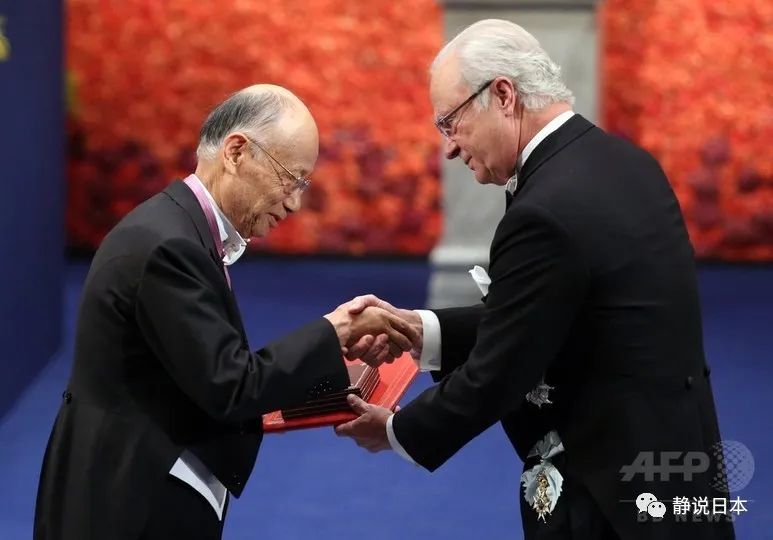
Professor Omura has been focusing on microbial research for 45 years, and 480 new compounds have been discovered, 25 of which have been developed into medicines, making outstanding contributions to the prevention and eradication of infectious diseases. His "Omura Research Office" of Beili University has trained 31 university professors and 120 doctoral students.
What’s more, he spent most of his patent income on rebuilding the Beili Institute, where he was engaged in research for the first time in his life, and served as the director of this institute for a long time. Beili Institute was founded in 1892 by Kitasato Shibasaburo, the "father of Japanese bacteriology". Today, Beili Institute has become an important base for bacteriology and biological research in the world.
Yesterday, Nishimura, the minister of economic regeneration in charge of novel coronavirus epidemic response, came to Beili Institute to visit Professor Omura, who is 85 years old and still goes to work every day.
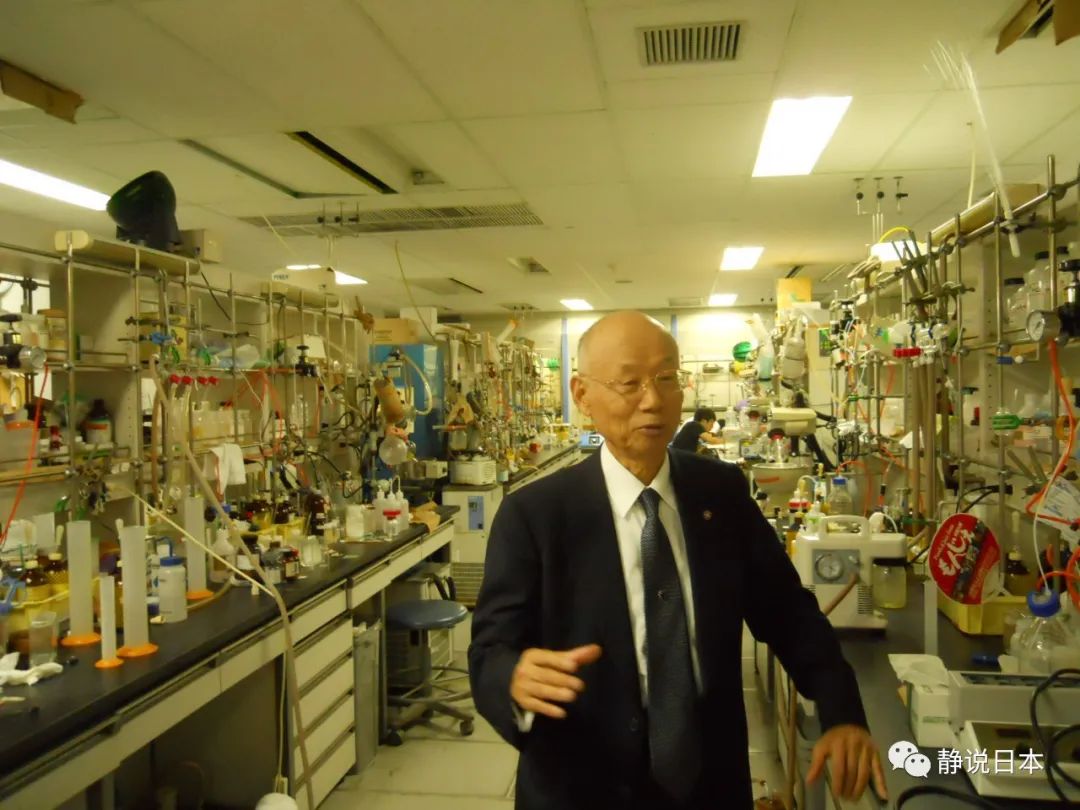
Professor Omura said that ivermectin was originally developed and used as a drug for animals, and later it was found that it can also be used for human treatment. Especially in the treatment of lupus erythematosus that induces blindness, the effect is very obvious. At present, 300 million people are using this medicine every year.
Minister Nishimura said that 300 million people take this medicine every year, indicating that the safety has been confirmed. Prime Minister Abe is very concerned about the efficacy of this medicine. The government is full of expectations for this medicine and will start experimental treatment in Japan as soon as possible.
Beili Research Institute said that it will strive to be a specific drug in novel coronavirus within one year and obtain the approval of the Ministry of Health, Labor and Welfare for clinical treatment.
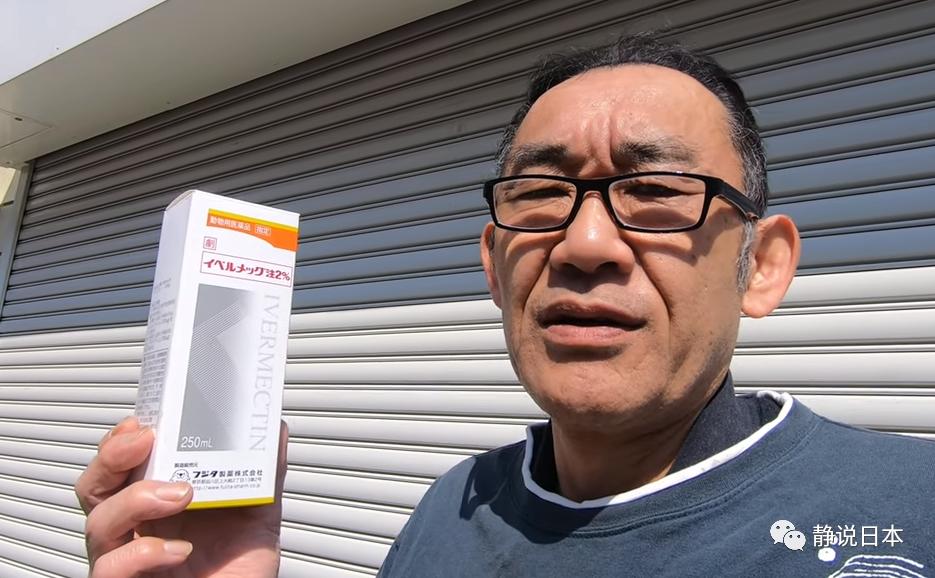
At present, ivermectin is also produced and sold in China. In Japanese families with dogs and cats, ivermectin, as a commonly used medicine, is mostly owned. Therefore, after seeing the news that Minister Nishimura went to Beili Institute to visit Professor Omura, a Japanese excitedly took a video and said, "I also have this medicine at home."
————————————————
Original title: "You may have it at home! An old Japanese medicine was found to have special effects on Covid-19.
Read the original text