These Japanese "old men’s music" have been on fire for half a century! Digging deep, I found that one is more fragrant than the other.
After completing the post-war automobile design interpretation of the two camps of the United States and the Soviet Union, I specially added a European "scooter for the aged" as the preface to the Japanese K-Car special.
With the understanding of European mini-car industry, we can better understand why Japanese K-Car did not disappear with the demise of European "old scooter", but moved towards the development direction of a cultural industry symbol.
In view of the great variety of K-cars in Japan, we will only talk about some particularly interesting ones today, so we will not start with a lengthy chronicle model.
01
Why do Japanese people like cars?
I don’t like cars, but it’s cheap and easy to use. If you can sit on a big run, who will drive, why not eat minced meat.
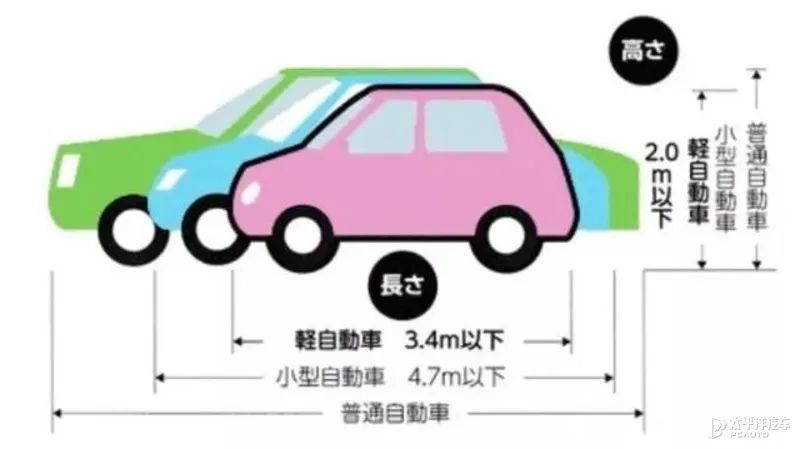
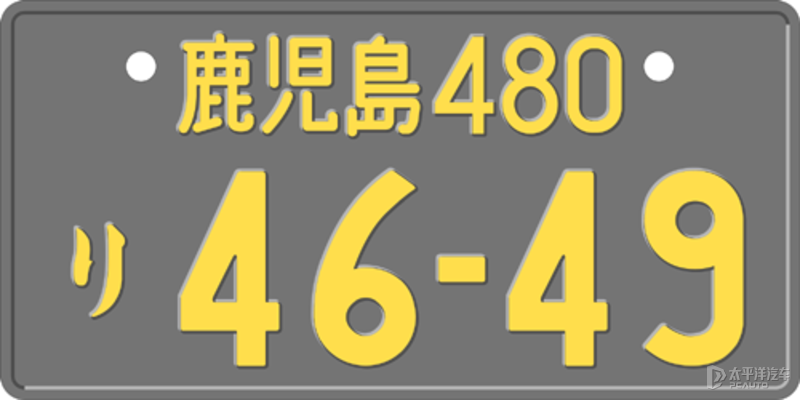
At ordinary times, the K-Car we talk about is also called Kei-Car, which is Japanese for "automatic car" and is the legal definition in the Rules for the Designation of Motor Vehicle Types of Japan’s Ministry of Transport.
There are four types of light automatic cars, small automatic cars, ordinary automatic cars and special automatic cars in the Rules. The lowest K-Car light automatic car can enjoy huge tax benefits, so it has become popular.
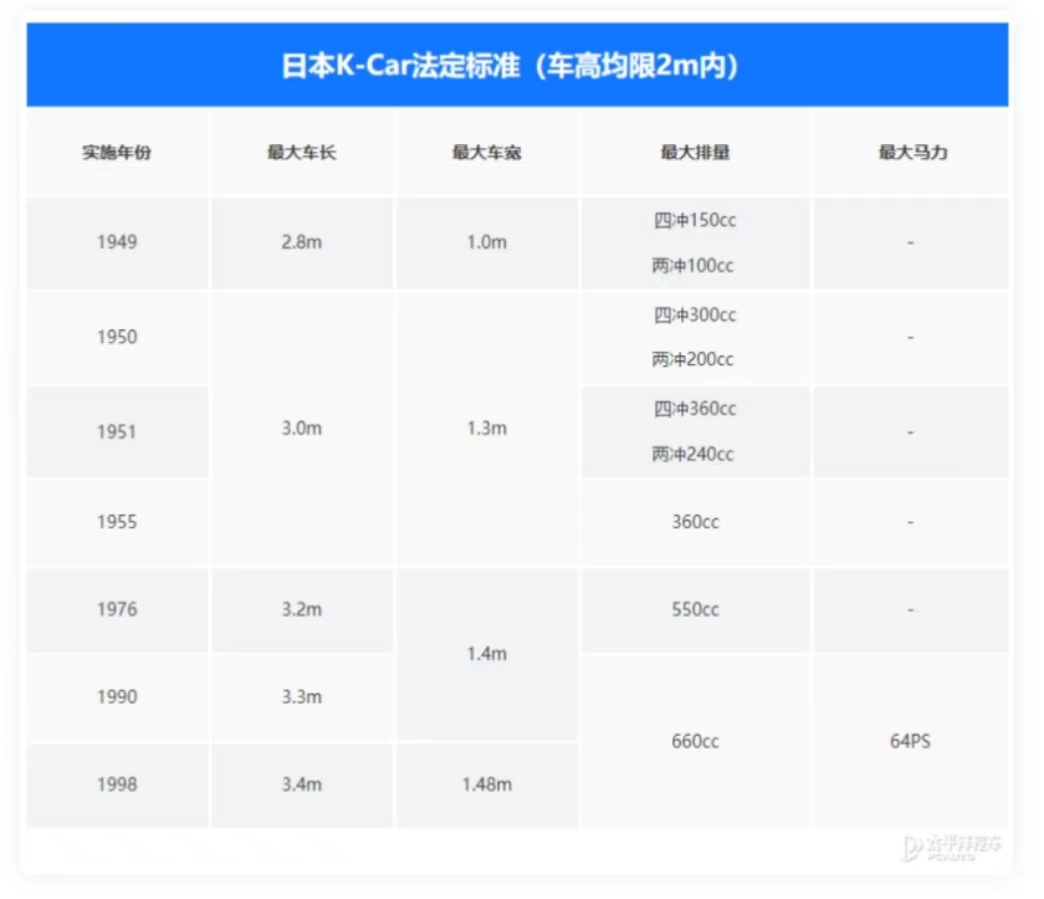
No matter how poor Japan is after the war, it also has a middle class, and it can afford motorcycles and cars. K-Car is a product between the two, just like the old scooter in Europe. The positioning of K-Car, a tax-excellent product, is dynamic. Before the oil crisis in the 1950s to the mid-1970s, it was 360cc, from 1975 to 1990, it was 550cc, and 660cc has been used until now.
Through these three main displacements, we can judge in which year the Japanese K-Car was produced from the car name.
Today, K-Car is only 3.4m long, and its size is not too small.
At the time node of 2022, K-Car with Japanese yellow card is still very suitable for use in rural Japan, with low price, various tax benefits (but tax increase in 2014), cheap insurance, low fuel consumption and flexible body shape. You can buy the license directly without parking space certificate, which is an advantage.
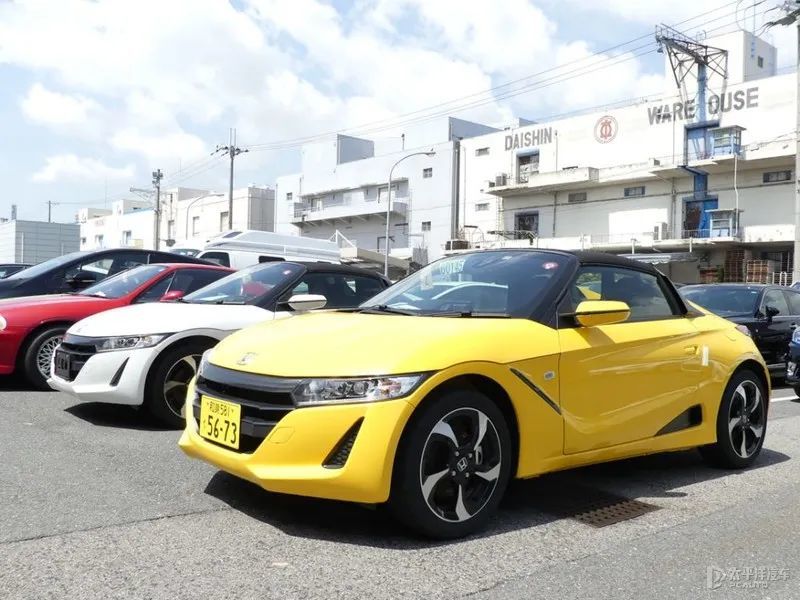
In Japanese cities, considering the huge cost of car use (mainly expensive parking fees), most people will not consider buying K-Car, which is not cost-effective, unless it is a coquettish mini sports car like S660.
Many JDM fans in China like K-Car, and think it is a waste that this compact and fuel-efficient car is not introduced to China market on a large scale. I advise the manufacturers not to listen to the bragging of China car fans and car critics. If it is really introduced, they will definitely be perfunctory with the previous sentence "Next time".
Because the proportion of parking spaces/motor vehicles in China is too low, it is not a dream to sell 500,000 parking spaces here in Guangzhou, and you can go to 16 yuan per hour for hourly rent, so it is difficult for K-Car, whose core competitiveness is material benefits, to have sufficient living space.
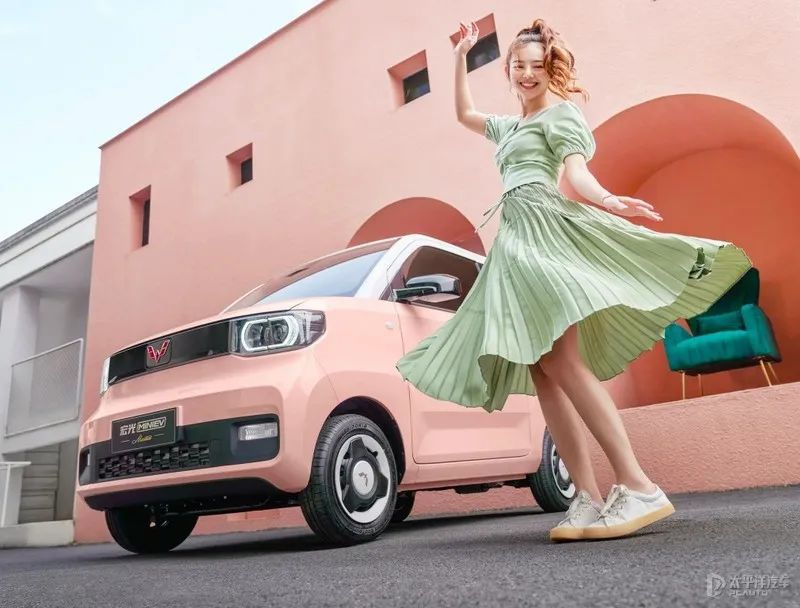
Then someone will ask, why does Hongguang EV sell so well? Simple, cheap, 30,000 cars, no oil, no tax, no shaking number, this commuting tool is used to replace motorcycles. If you are like me, you have to pay more than 10 thousand parking fees in the city every year, do you still want to buy Hongguang EV?
02
The most classical: the pioneer of 360cc industry
Japanese car companies such as,,,, and are all participants in this 360cc war.
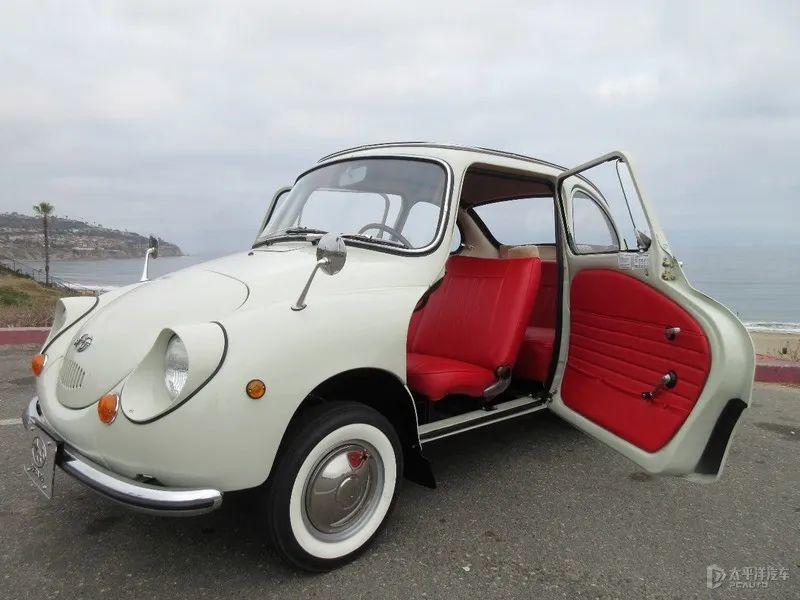
Let’s go ahead. I’m a brain powder. A total of 392,000 360 cars were produced in Gunma County. This thing is simply a scaled-down version of the German cottage, and the rear-mounted rear-drive layout is simply pure.
When you thought you would use horizontally opposed engine, I had to pour cold water on you. This thing uses a two-stroke two-cylinder machine, and its curb weight is 410kg, which is almost the same as that of European old scooters at the same time. Like the old generation in Europe, K-CARs in Japan after World War II also like to use glass fiber reinforced plastic to make panels with less stress. For example, 360 glass fiber reinforced plastic doors and ceilings simply want to save some steel in order to reduce weight and improve performance. After all, Western Europe and Japan, which were penetrated by the Allied forces, simply did not produce enough steel.
Although diaosi, 360 has changed many variants, such as station wagon, convertible, minivan and so on. I personally like this police car best.
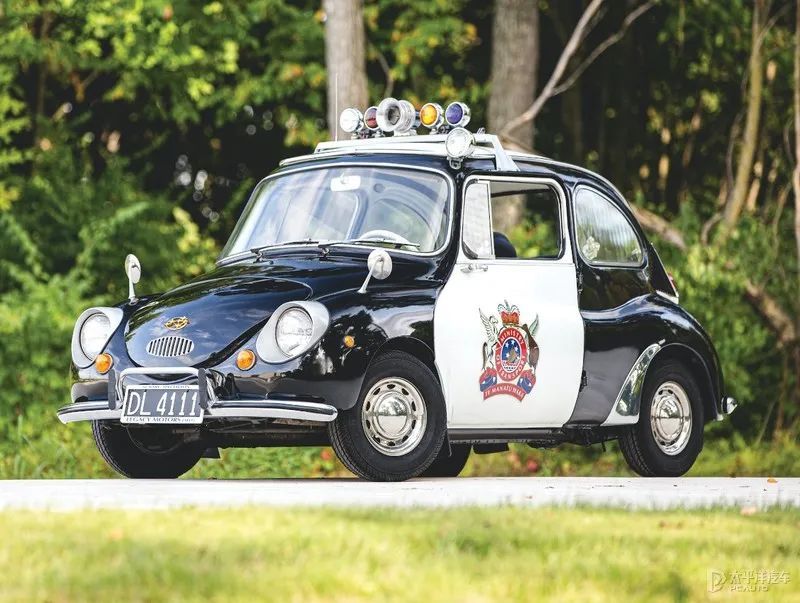
Oh, by the way, I forgot to mention the only design highlight of 360-this thing uses a "suicide car door", the same as the Queen of England.
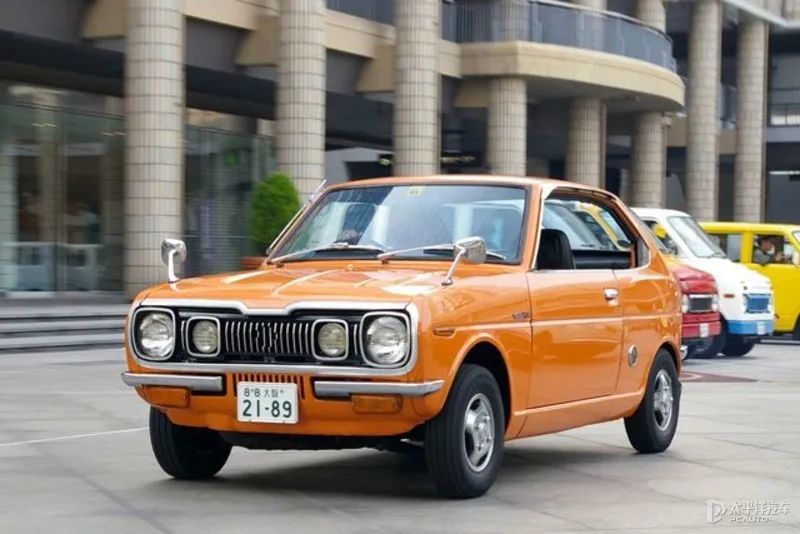
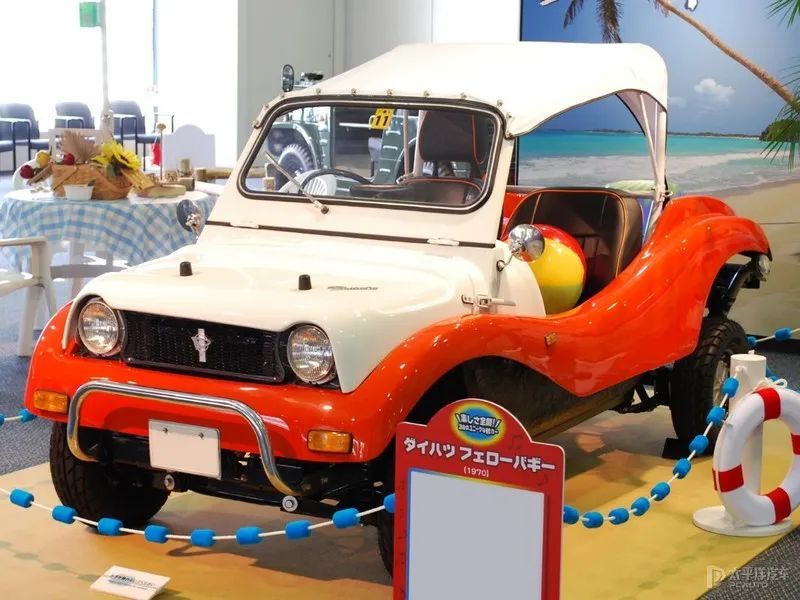
Let’s look at (Daihatsu)Fellow Max, also known as 360. There are cars, pickup trucks, vans and other variants. In 1969, there was even an oil-to-electricity model. Because the engine is very small, the lightest car version is only 500kg. Personally, I like the Fellow Max SS with four lights as shown below.
The most fun is the Buggy off-road version, which looks like this:
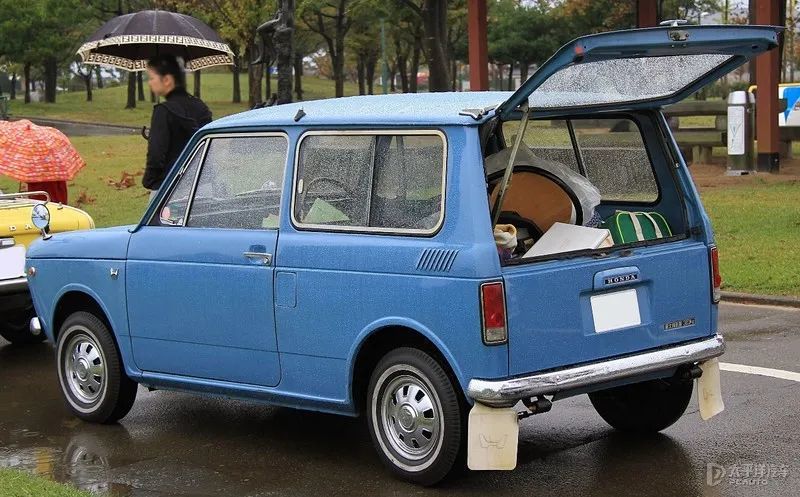
As for the well-known N360, its pre-precursor layout was an extremely advanced masterpiece in the 1960s. Naming the N in it, the full name is Norimono, which means "vehicle", is used to distinguish it from its own motorcycle products.
I prefer the van version shown below:
In 2012, the N-One model was launched to pay tribute to the N360. The author shows you the 2021 N-One RS, because it is more handsome.
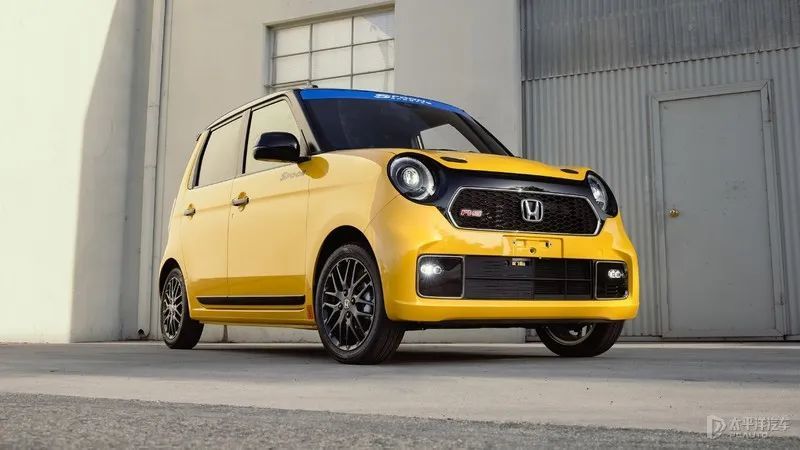
There is generally no traffic jam when driving now, unless you are driving a R360 60 years ago.
This thing only has a 356cc V-type twin-cylinder machine. Recently, some overseas media have tried to test drive a real car. I heard that it is terrible and I can only taste it.

Among the classic works in the 360cc era, I think the most outstanding one is Jimny, the originator of micro hard-core off-road vehicle, the first four-wheel drive K-Car production car.
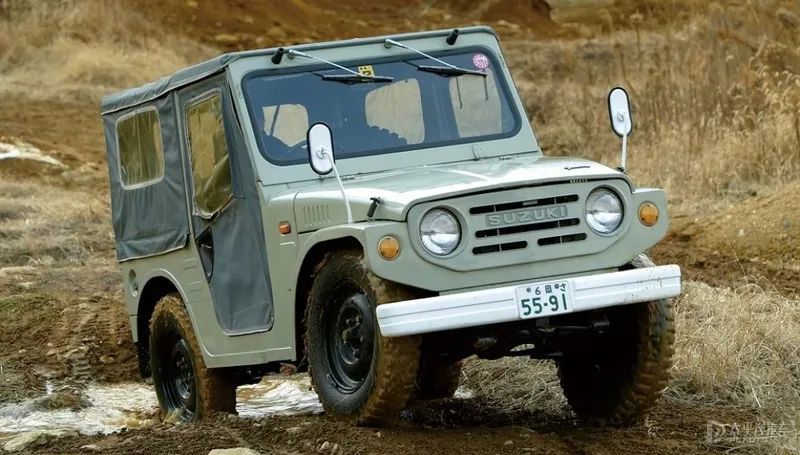
Take the original Jimny(LJ10) as an example, because it has a very interesting design. In view of its off-road positioning, the spare tire is essential (the tire technology in that era was very bad), but it is too long to be hung outside the car and become a "small schoolbag", which does not meet the size limit of K-Car’s statutory tax preferential policy, so it is put in the back seat and a four-seater car is changed into a three-seater car.

03
Most urgent: all kinds of moths in the 550cc era
Auto companies especially hate silent environmental protection. In the mid-1970s, the Japanese government’s emission regulations stifled their enthusiasm for K-Car research and development, and the K-Car industry dropped by 80% from 1970 to 1975.
Some small K-Car companies, for example, all of them are two-stroke engines, and they simply can’t produce K-CARs with qualified emissions to sell. The New Deal is simply a blow to this real mini-car expert. Another two-stroke enthusiast is, fortunately, people have dad’s help, which is not necessarily too sympathetic.
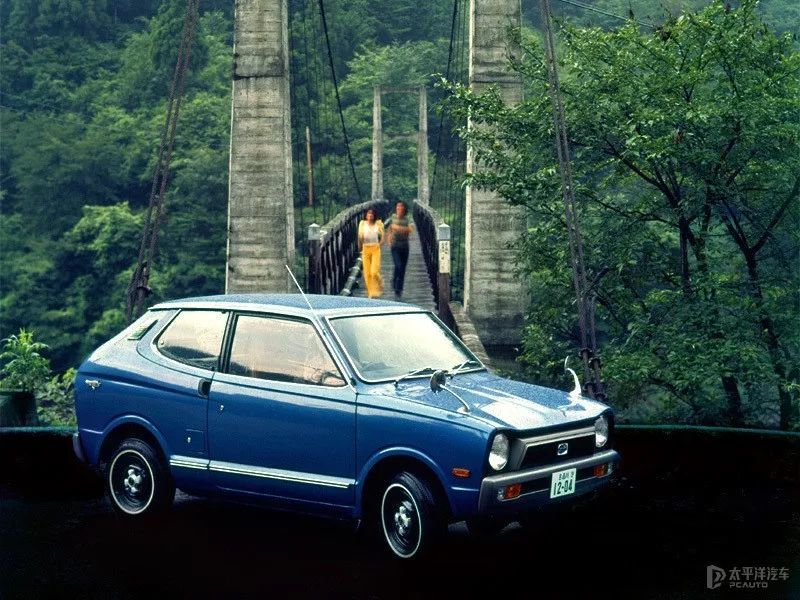
Come on, let’s talk first. K-cars in this period are mainly Rex models. Although they are all rear-mounted and rear-driven layout, there is nothing to inherit in internal and external design. Rex started with a two-stroke engine of 360cc era, and later a rising tide lifts all boats and uses a four-stroke engine of 550cc era, which is really environmentally friendly.
Rex is actually not very beautiful, with two small features: one is the rearview mirror on the hood, which is not very JDM? The other is to provide a four-wheel drive version, and the gene is coming.
There is also a magic car called Sambar. If 360 is a fake, then Sambar is a fake T1…… …
Sambar has completely experienced the 360cc era. After entering the 550cc era, it looks like this. Did you find the feeling in this front face? Is it like the first batch of microfacies imported from our country?
Look at the 4WD four-wheel drive logo. It’s awesome. The 550cc micro-facet has its own four-wheel drive, which is the eternal god.
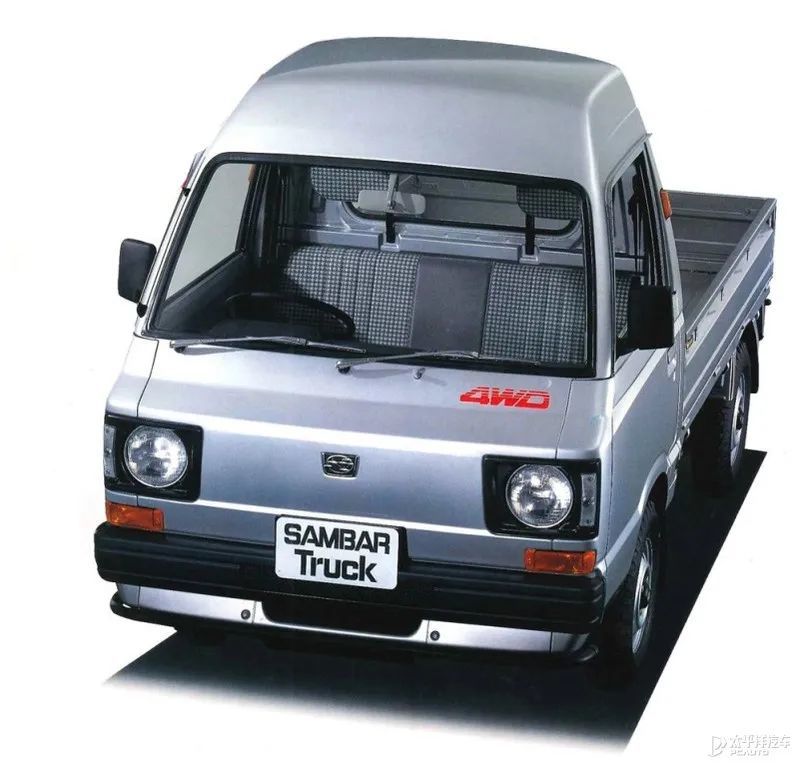
It would look better if it was changed to a fire truck. The car body of this size is very suitable for shuttling through the alleys in Japan.
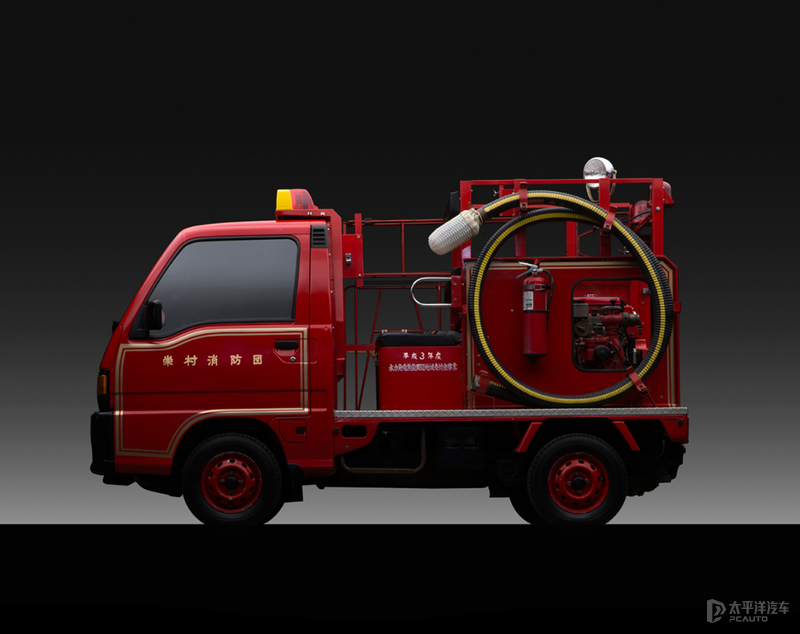
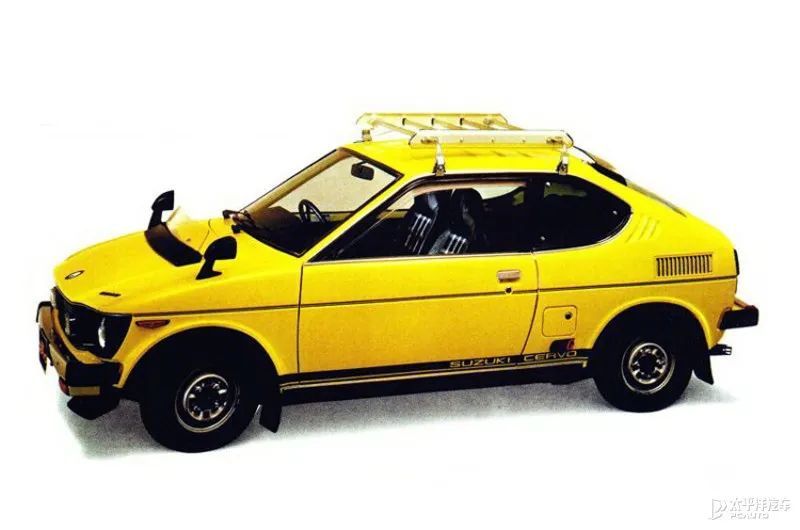
Let’s look at it again. Its Cervo is a beautiful product. The second generation is a bit fake MK2, and the first generation looks better. The author asked Zhang Shuai to take a look at it for everyone. The hood rearview mirror, skirt lace and roof rack are all handsome.
At that time, Toutie continued to develop a new coupe K-Car model in the 550cc era with a two-stroke structure, which actually met the emission regulations.
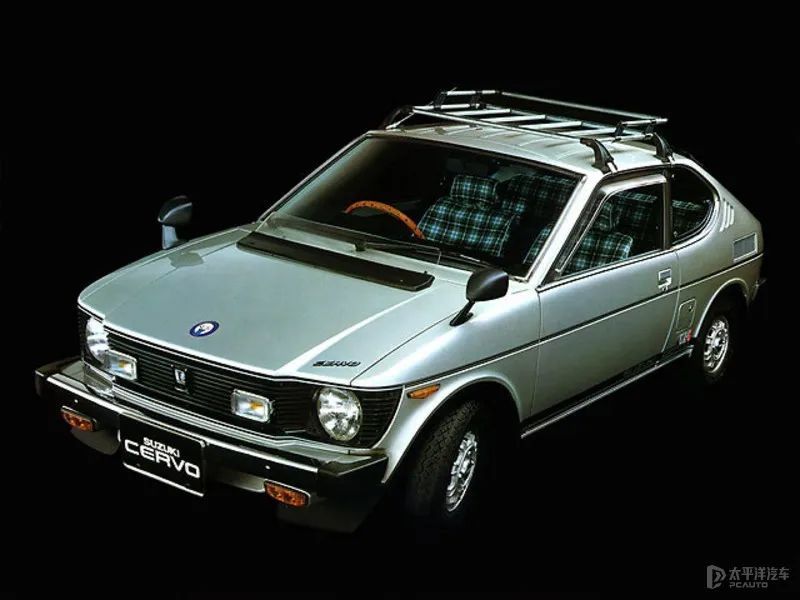
I can’t stand it. Look at this checkered seat, wood steering wheel, straight waist feature line …
The JDM model of that era was really online.
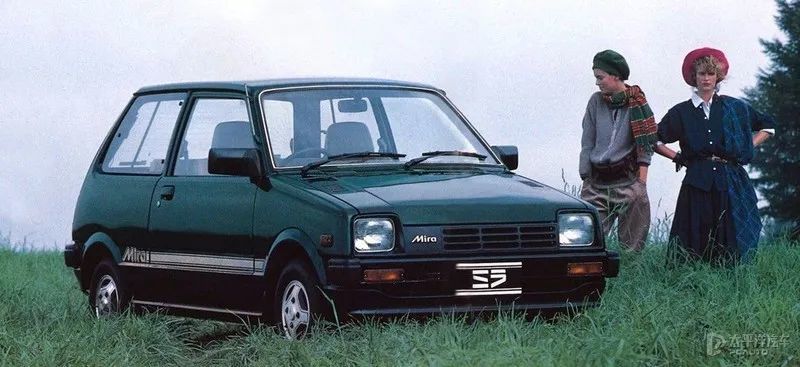
There’s nothing to see here. The next one is called Mira, with a nice name and an ugly car. No matter how fashionable the commercials are, driving a car is a word "poor" written on your face.
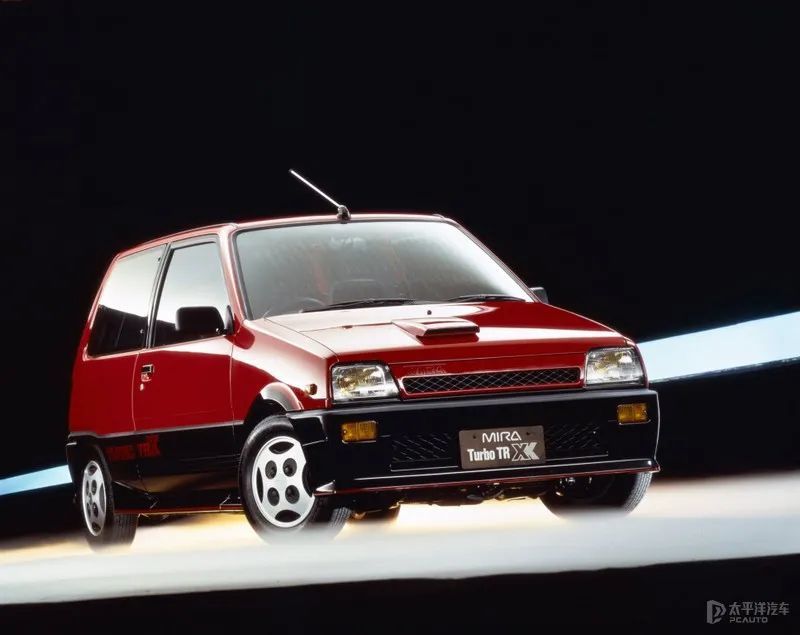
Until the 1985 Mira Turbo TR-XX appeared, look at the red paint, four-spoke wheels, asymmetric air intake on the hood and naughty roof antenna. This is a car.
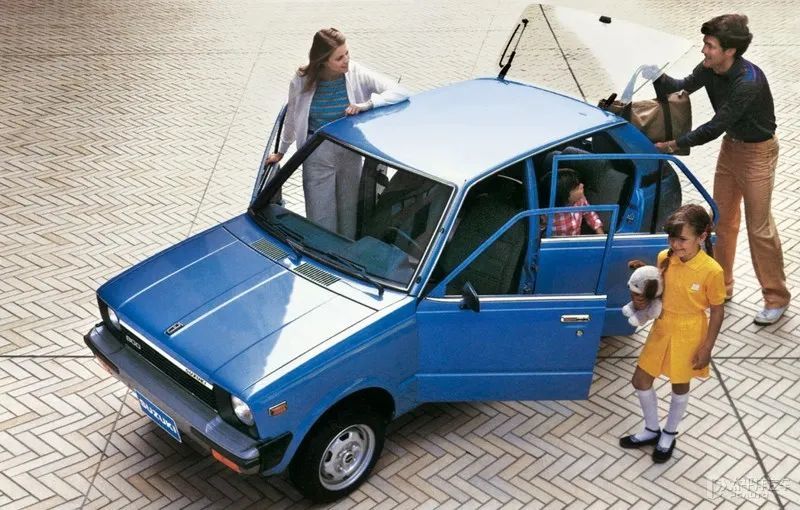
In this era, there is also a magical object called Otto, which is also the Japanese K-Car that China consumers are most familiar with.
The original Otto SS30/SS40 has been mass-produced in Japan, New Zealand, Pakistan and other countries, which can be said to be a witness of JDM’s globalization.
The author also found a photo of three generations of Otto for everyone to see, because the official picture of this modified car is the cutest.
It seems that an important car company has been omitted, that is. Let’s just talk about Minica, which is an old product that has existed since the 360cc era. At first, it used a 359cc two-stroke air cooler. After the second generation, a 546cc four-stroke machine was available, and there was no special design except four round lights.
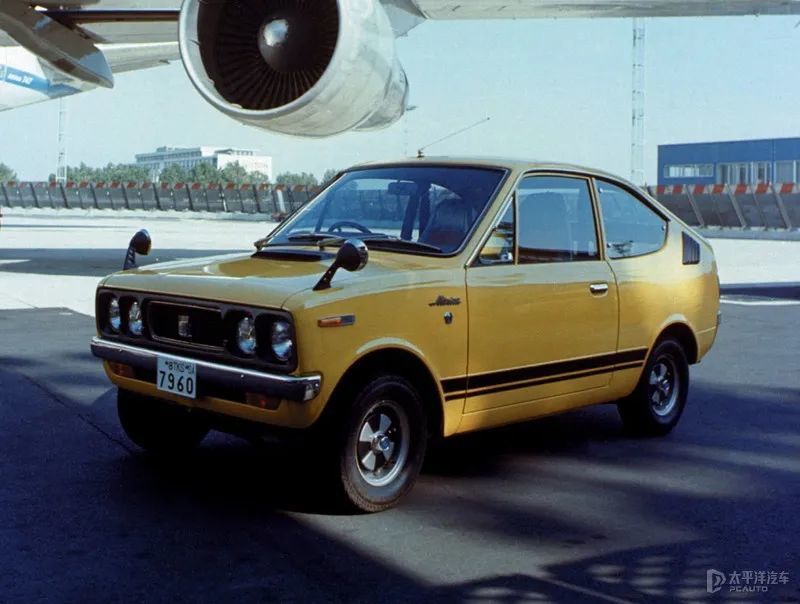
What’s funny is that besides a Minica, there is also a Minicab with a B letter, which is larger in size and more powerful in installation. Personally, I like the front face design of the front grille combined with the big round lamp, which is actually a work in 1976.
This car eventually gave birth to a famous car.
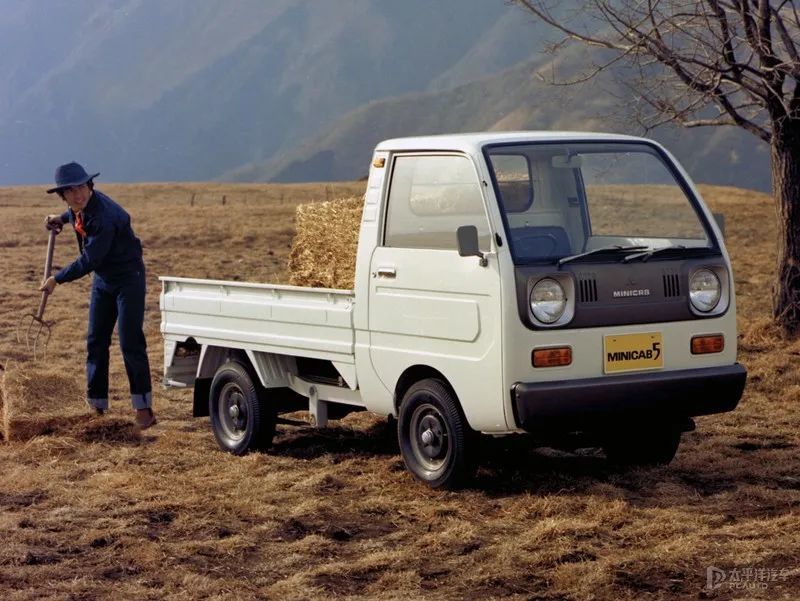
In addition, the Minicab family also produced an oil-to-electricity version in the early 1970s, as shown below, with no soul in the front face.
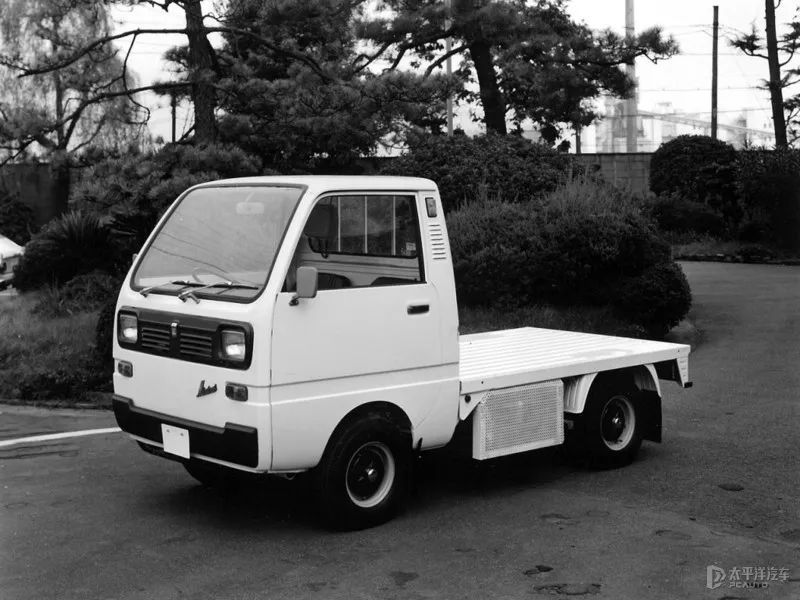
04
The most coquettish: the most unavoidable Heisei ABC in the 660cc era
Japanese emperors learned the notation of Emperor China’s title a long time ago. "Heisei" is the title of Emperor Akihito, which was used from 1989 to 2019. The "flat abandoned house" in Japanese culture refers to the laid-back young people in this period. Don’t just boo and ignore the facts. The quality of life of Pingcheng abandoned house is much higher than the average level of young people in China …
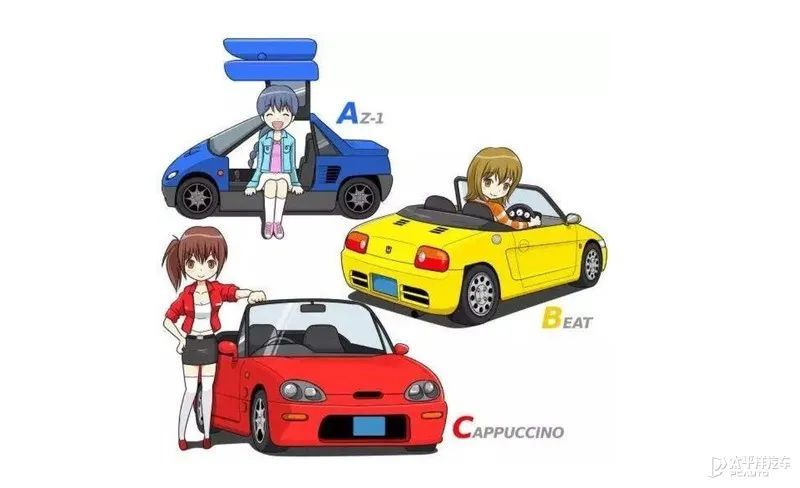
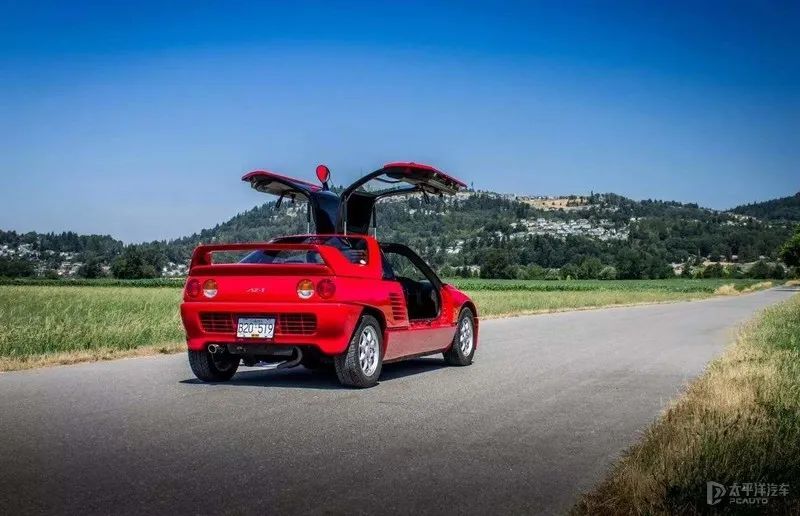
In the average age, three of the most famous K-Car scooters formed the "Heisei ABC" group-AZ-1, Beat and Cappuccino.
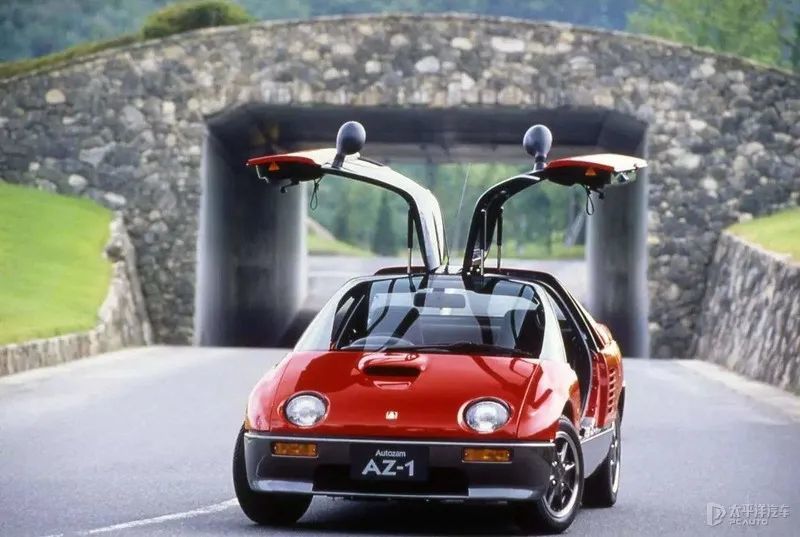
Autozam brand should have been heard by friends, or at least seen AZ-1 car. Autozam specializes in cheap cars. At first, it wanted to find some used car dealers and small and medium-sized repair shops to sell these cars, specializing in the low-priced market. The survival time of this sub-brand is 1989-1998, which is the longest among sub-brands.
AZ-1 is a purebred middle-mounted rear-drive sports car. Although the 657cc three-cylinder engine sounds weak, the original turbine can
In order to get the power stuck above the legal limit of 64PS, it is almost effortless to push the 720kg body. Most importantly, it has gull-wing doors!
Handsome must have a price. The price of AZ-1 is the highest in Heisei ABC, which is 1.498 million yen. Beat is the lowest, at 1.389 million yen; Cappuccino is 1.458 million yen.
Unfortunately, the final production and sales volume of AZ-1 is only a fraction of the latter two.

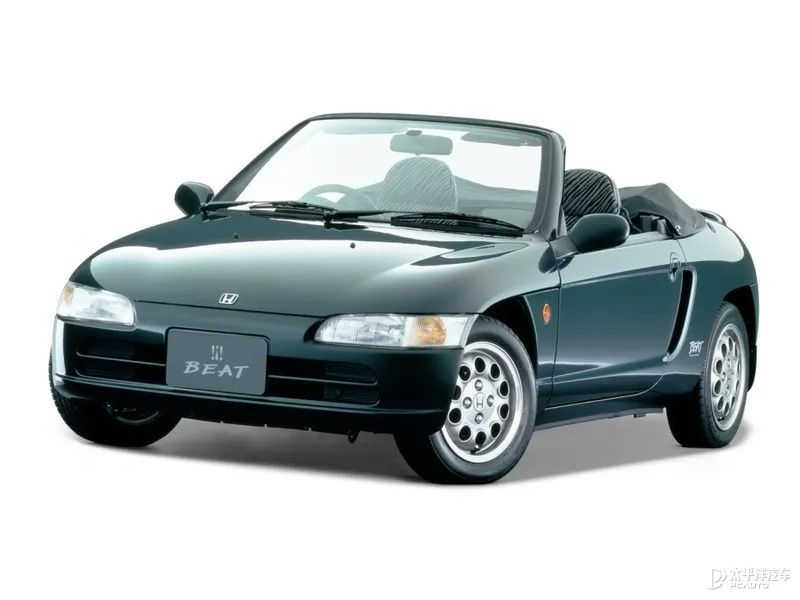
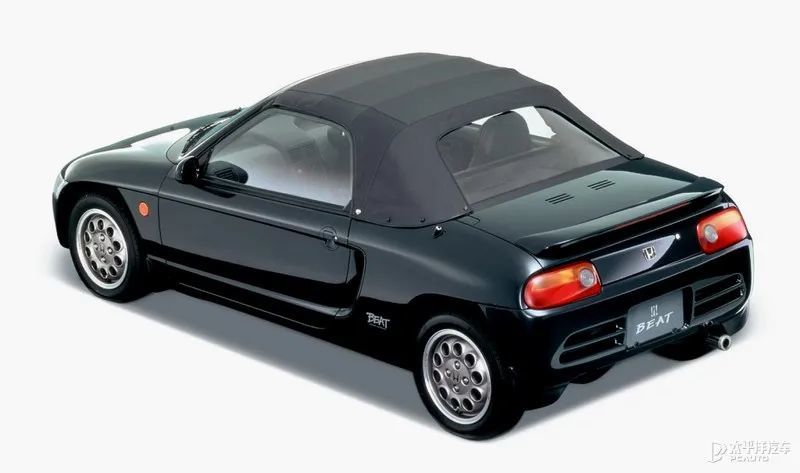
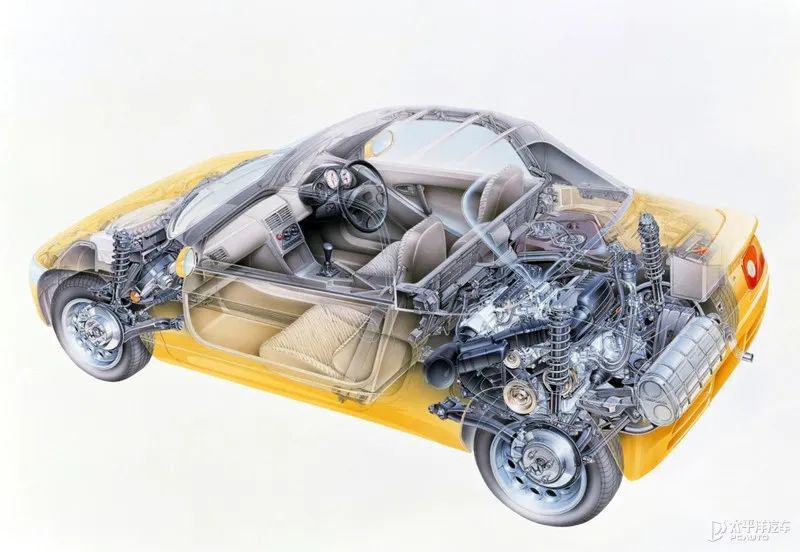
Beat is the last car that founder Zong Ichiro personally supervised. It looks handsome because it was designed by Sergio Pininfarina, the son of Pininfarina’s founder.
As the king of Japan’s self-priming, of course, the three-cylinder machine will not be equipped with turbines or machines, and it will directly explode 8100rpm to get 64PS, with an electronic speed limit of 135 KH/h.
Does the headlight feel familiar? At that time, both Civic and Accord were rectangular with a little curvature, and the H mark was placed at the end of the hood of the closed front face.
The follow-up work of this mid-rear-drive small sports car is called S660, which will be mentioned later.
In addition, there is a motorcycle called BeAT, don’t confuse it.

Finally, let’s talk about Cappuccino, who is lighter than AE86 in "Initial D".
The most cowardly of the three cars. Just look at the fact that there is no air inlet at the back of the door. Cappuccino adopts the structure of front middle engine and rear drive, so the cockpit is farther back than the A/B cars, and the driver sits on the rear axle to drive.
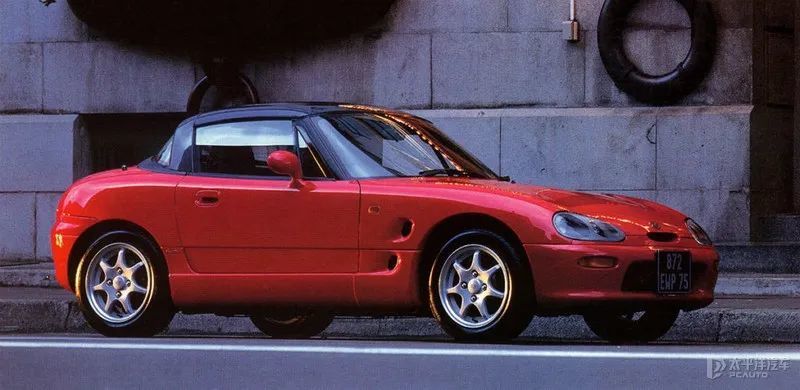
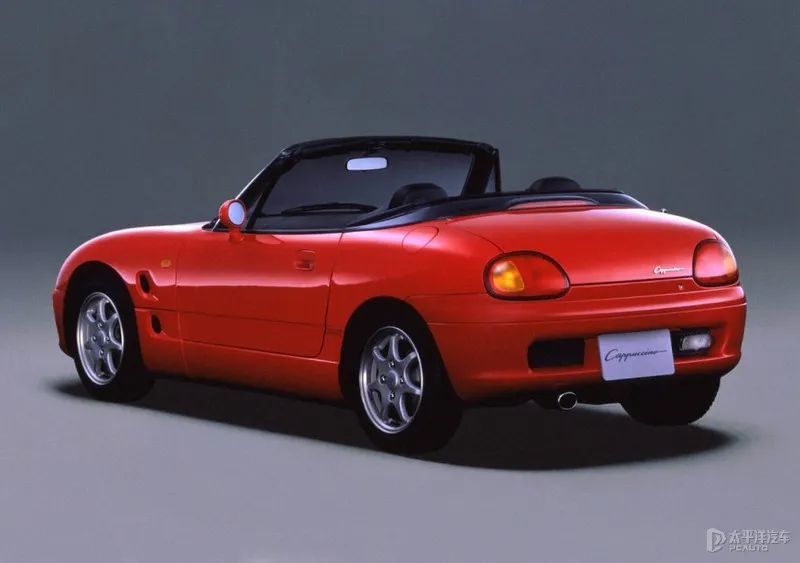
But don’t underestimate Cappuccino, this thing has front double A-arm suspension and LSD back difference, and now even the black-hearted 718 is not standard.
In order to balance the counterweight, even the lead-acid battery was specially placed on the left side, and the owner of Cappuccino owned it.
You can get a better balance weight (right-hand steering car) when you drive alone-after all, the owner of this old fake sports car doesn’t deserve a girlfriend.
05
Most familiar: an old friend of K-Car in Chinese.
Most familiar: an old friend of K-Car in Chinese.
There are many words in this section, but it is easier to say, because we were poor at that time and had no money to do localization transformation, so the design basically maintained the original version.
After China’s reform and opening-up, it began to introduce the automobile industry chain of automobile powers such as Europe, America and Japan. At that time, the cheapest and practical Japanese car was the most suitable for the China market.
It is precisely because Japanese cars are cheap, compact, three-cylinder, simple and so on, which has imperceptibly made China consumers resist for decades. After China’s economy took off after joining the WTO for more than ten years, consumers have more money in their pockets, and the automobile market has shown a trend of pursuing luxury, big body, multi-cylinder and high horsepower, and big sofa, big screen and skylight. The new forces are following this idea to build cars, so most new car companies are desperately chasing them.
Let’s talk about several classic models. The first one must be the Big Dipper, because this stupid thing has actually resumed production! ! ! National six! ! ! The price is 43,900/44,900, which is not too expensive. The production was stopped before because the production line was moved from Jingdezhen to Jiujiang, and it resumed production after debugging.
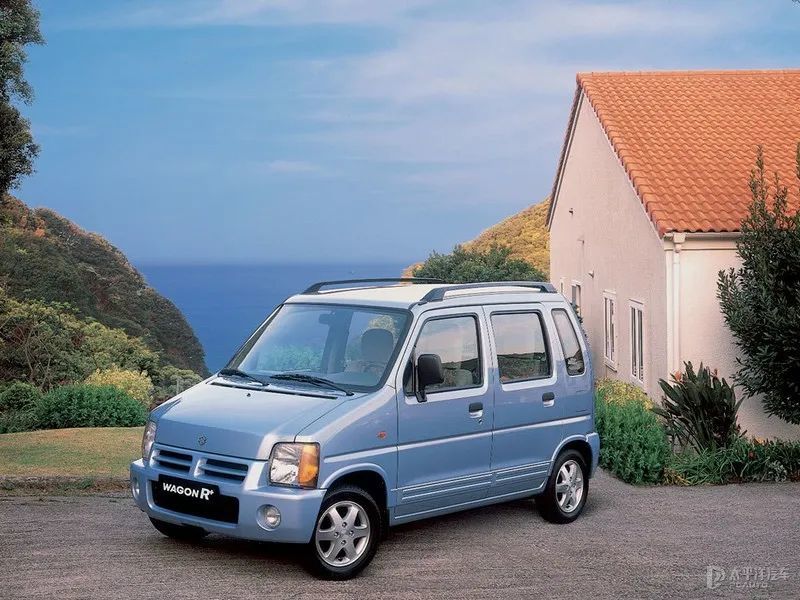
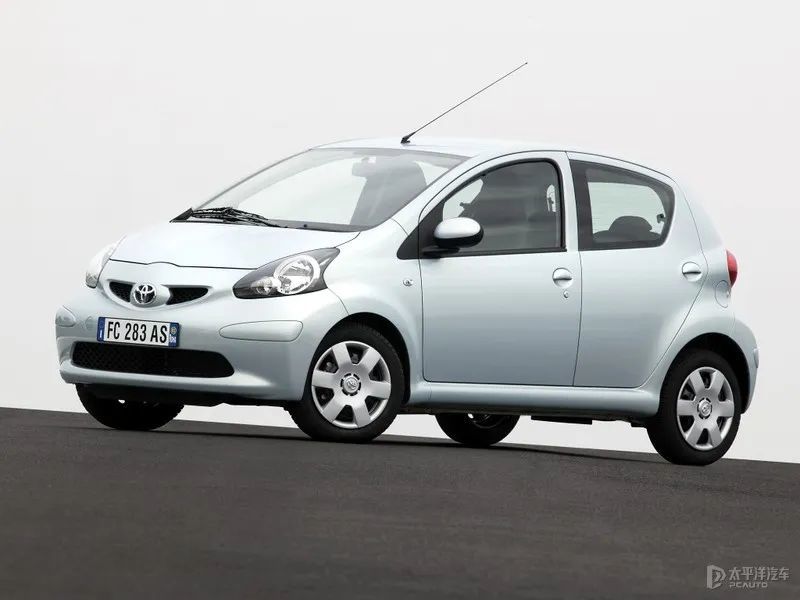
The prototype of the Big Dipper is Wagon R+,which was introduced to the China market in 2001. Personally, I like this car very much. It is beautiful, easy to drive, cheap, reliable and fuel-efficient.
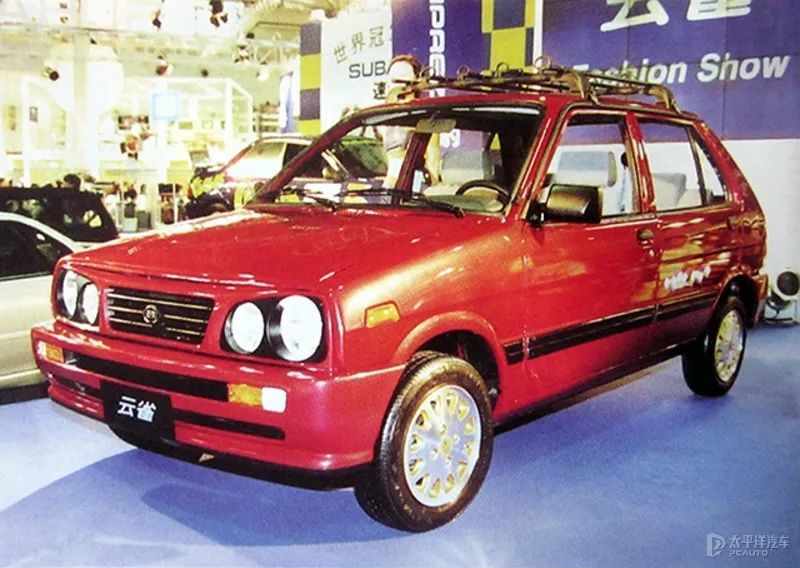
Another K-Car I especially like is Guihang Skylark, which is a work of Guizhou Aviation Industry Group to implement "military conversion to civilian" in response to the call of the state.
In 1980s, the national automobile industry policy (car field) was "three big, three small and two small", among which "three big" included, second automobile, and "three small" included Tianqi, Beiqi and Guangzhou, and "two small" referred to Guizhou Skylark and Alto.
Like larks, on the one hand, because this name is particularly vivid, in line with K-Car identity; On the other hand,
Because larks GHK-7060A (Figure 1 below) and GHK-7071 are based on Rex, and larks GHK-7070 (Figure 2 below) are based on Vivio. Eternal God does not accept refutation.
Unfortunately, larks have not been popular since their birth. The sales ratio of larks and Otto in China market is 1:30, while the sales ratio of prototype Rex and Alto in Japanese market is 10:2. Theoretically, the best seller is in China. After the disaster, Guihang Skylark and the joint venture finally left miserably, and Guihang Skylark sold herself as a youth in 2004. Yes, it’s the notorious young man with goods in the pit.
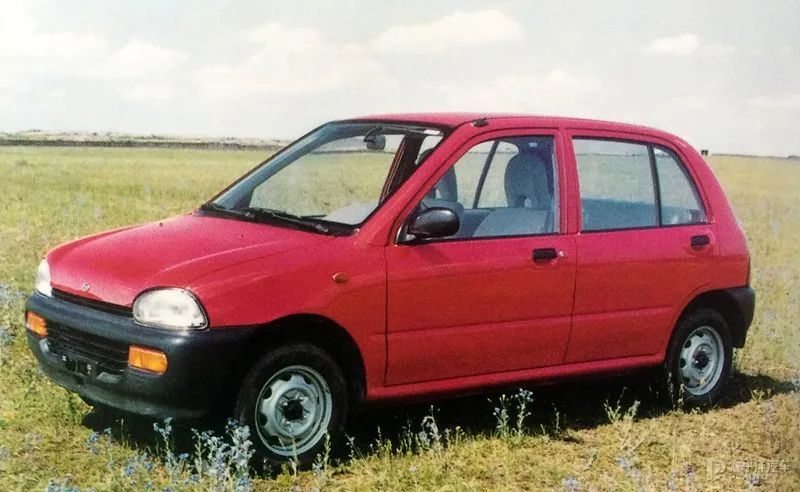
"Two Micro" refers to Larks and Alto, and Otto, by the way.
"Down payment of 18,000 yuan, Alto will drive home", an advertisement that only the older generation of car enthusiasts can recite.
At that time, four enterprises in China introduced Otto (CA71), namely Alto (Chongqing), Alto in Jiangnan (Xiangtan), Alto in Jiangbei (Jilin) and Alto in Qinchuan (Xi ‘an).
Chongqing is now the largest and best mixed one; Xiangtan Jiangnan was reorganized, and the tape measure factory closed down directly without good management; Jilin Jiangbei became Jilin Tongtian, which was taken over; Qinchuan, Xi ‘an is amazing. It was acquired by the battery factory, and now it has become the largest new energy passenger car manufacturer in China.
Friends, don’t laugh at being poor.
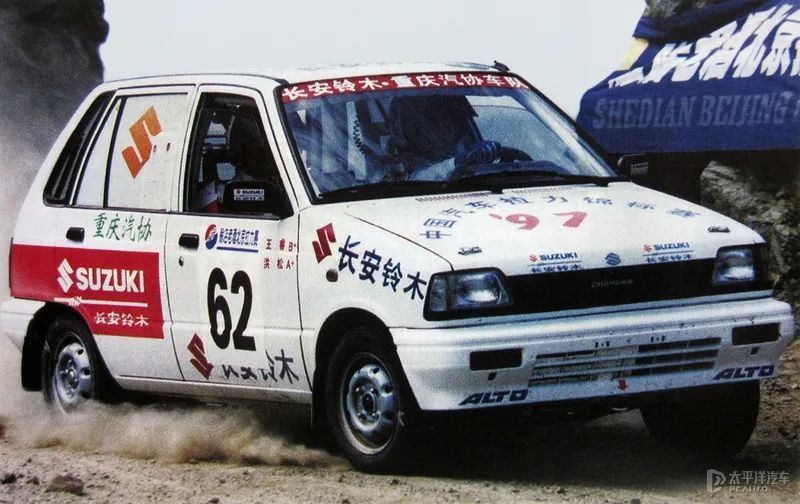
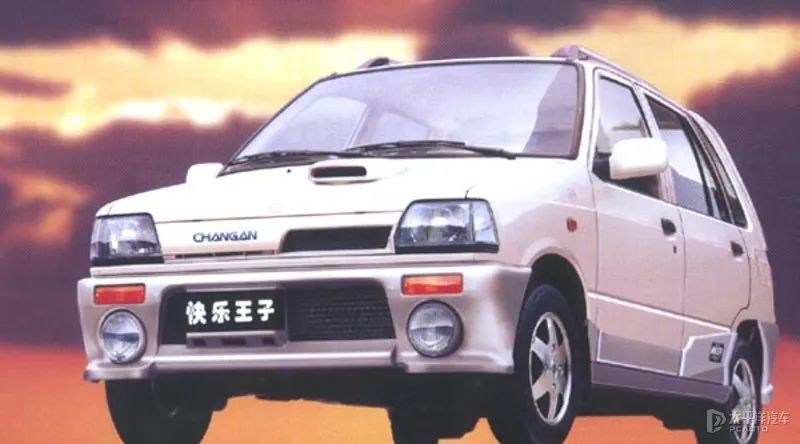
Otto’s design interpretation is not easy to write, too simple, and low-cost and practical. Finally, let’s put two pictures, one is the CRC racing car in 1997, and the other is Otto’s "Happy Prince" (personal favorite), whose prototype is the 1986 version of Otto Works CC72.
In addition to cars, I also want to talk about micro-surface, which is the king of sales, and the time happened before Otto.
The two models introduced through the Canton Fair in the 1980s formally cooperated in the whole vehicle and engine project in 1984, and the SC112 minicard and SC110 minicar were rolled off the assembly line.
Later, (Aircraft Factory), (Harbin Aircraft Factory) and Jilin Automobile also got micro-technology and project cooperation.
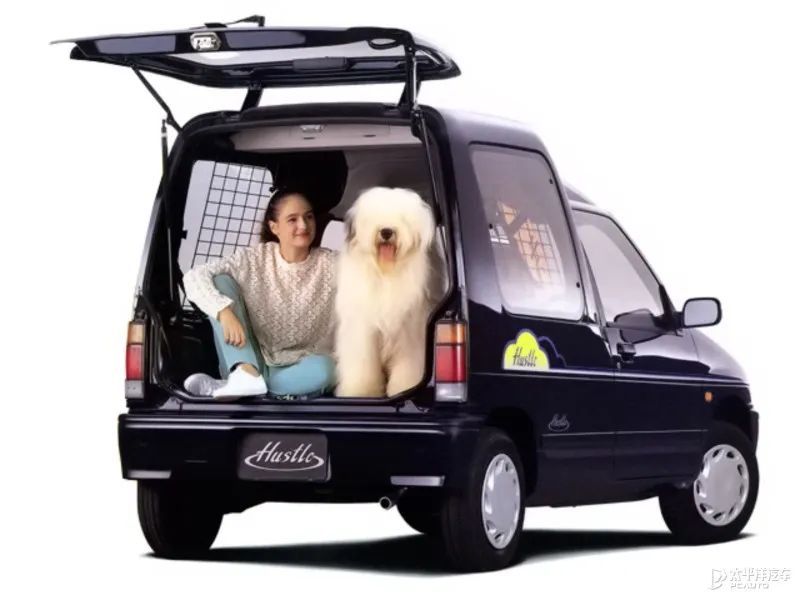
I put a photo of the prototype of Every (Figure 1 below) and a prototype of Carry (Figure 2 below). Have you found the inner flavor? Remember Star Micro-Faces (SC6330), Micro-Faces (CH1010), Micro-Faces and Jilin Micro-Faces (110CE)?
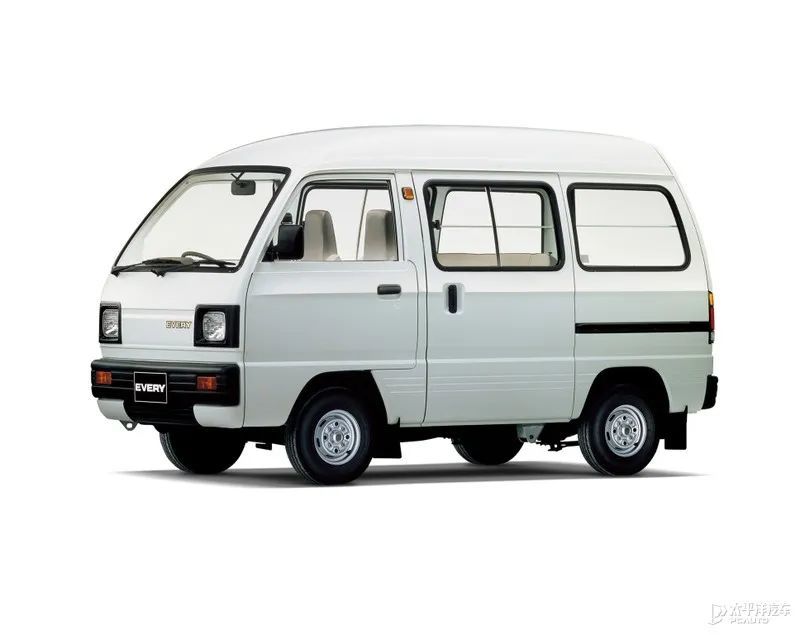
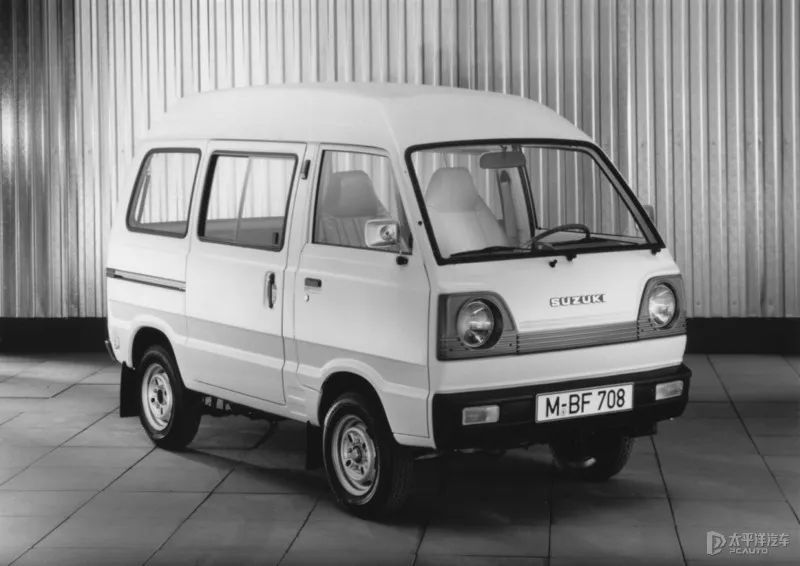
Everyone is familiar with the sixth generation Hijet 850, which was introduced into Tianjin by CKD, so it is also called "Tianjin".
It became the most eye-catching landscape on the street in that era, and it was a "little yellow car".

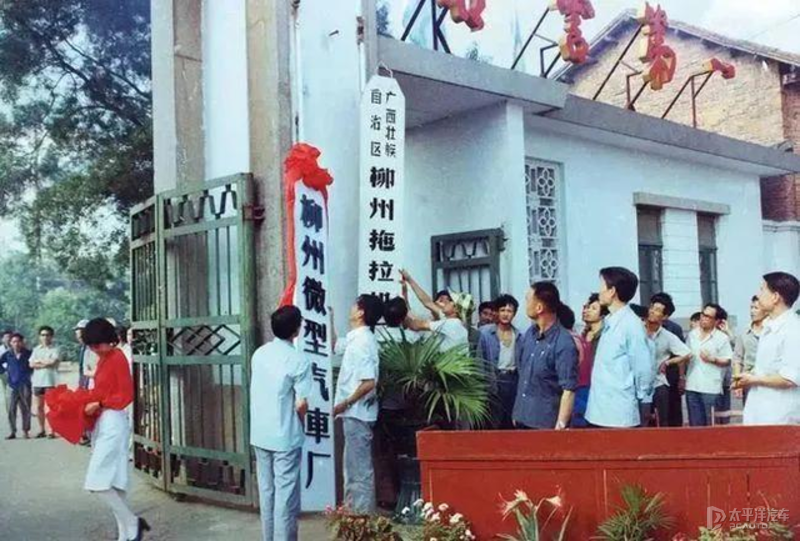
Since we talk about mini-cars, how can we not talk about Liuzhou’s "people’s automobile factory"?
After developing LZ110 minivan in 1982, Liuzhou Tractor Factory was renamed Liuzhou Minicar Automobile Factory in 1985.
The picture below shows the LZ110 minicar series from Minicab. The names/logos included are all "borrowed" from themselves.
Who would have thought that the fire is in a mess now, but it is a dying car company.
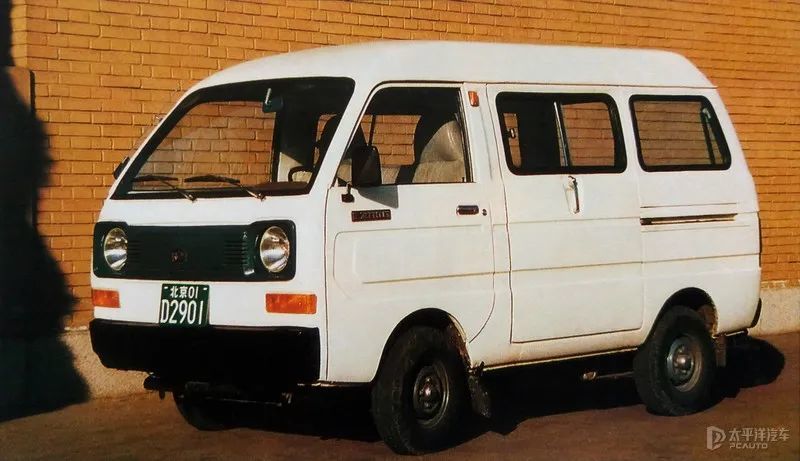
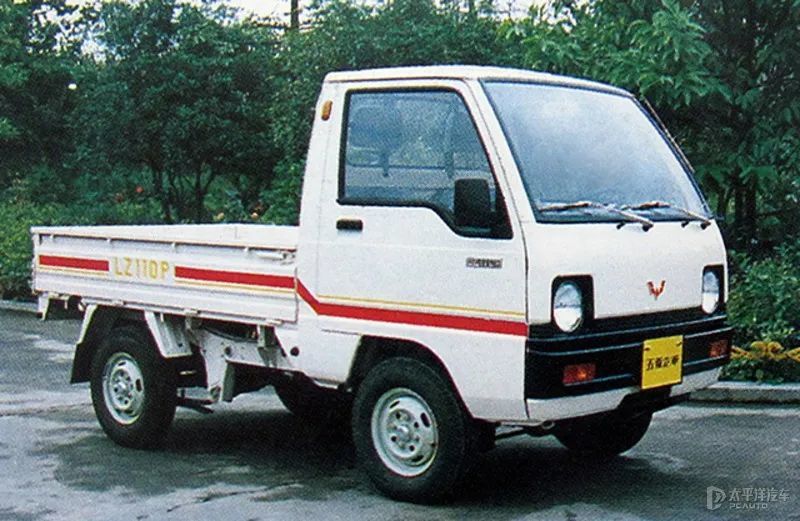
In addition, there are some funny old K-Car works in China, such as the cottage works. I don’t put the F0 picture, just take a photo of the prototype.
Let it be.
Anyway, the old K-Cars introduced into China are only fighting with micro-planes and micro-cards. Then the K-CAR market in China will be dominated by cheap pure electric vehicles, and the illegal market of old scooters will be further annexed.
06
Favorite: S660 must be a favorite.
Finally, let’s talk about three cars, which belong to my favorite, among which S660 is the "favorite among favorites".
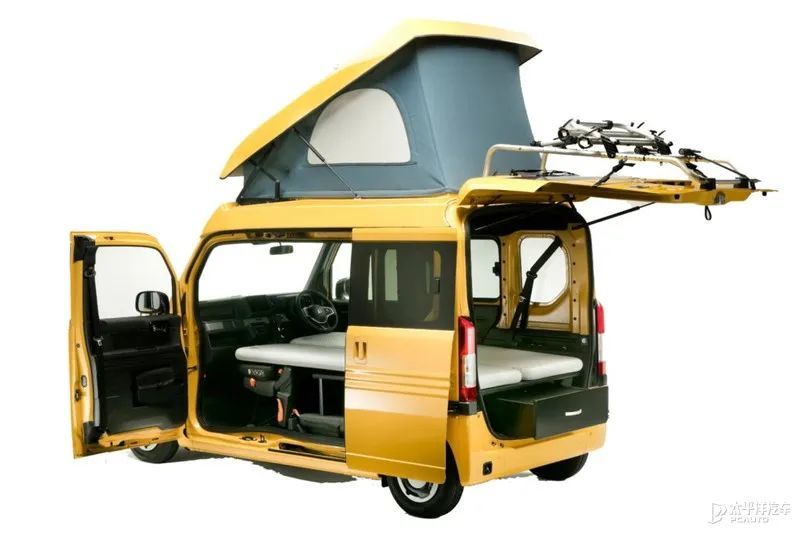
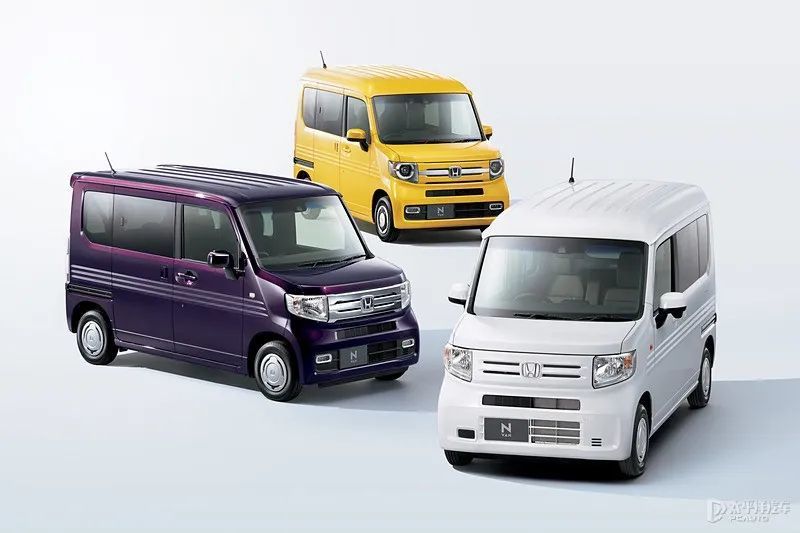
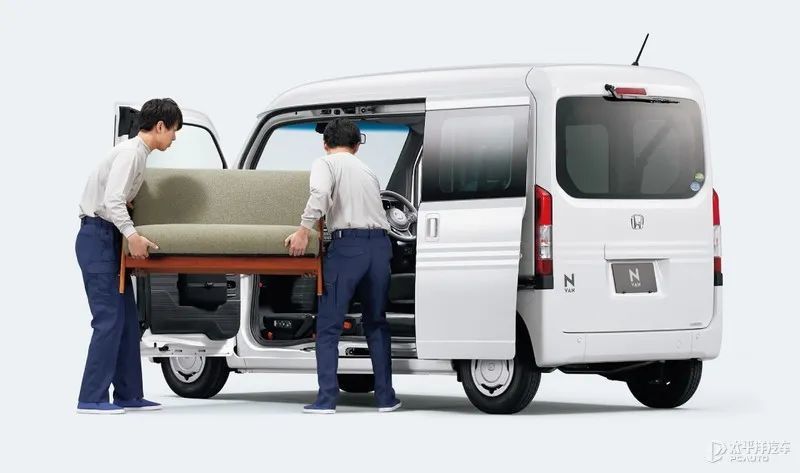
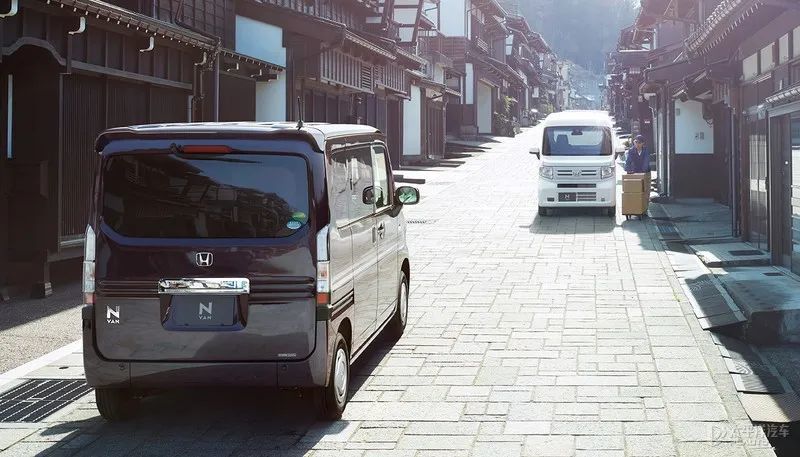
The first one is the N-Van, which is the integration of the current K-Car wisdom, and its loading capacity is terrible.
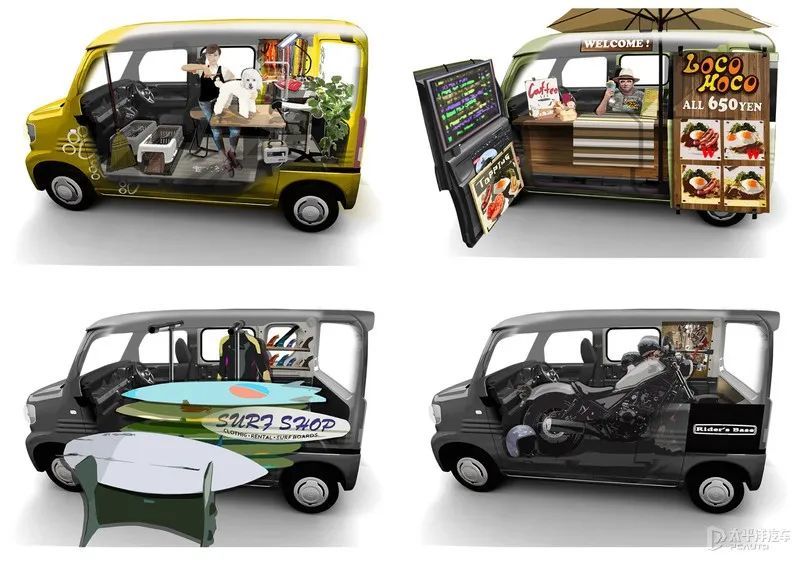
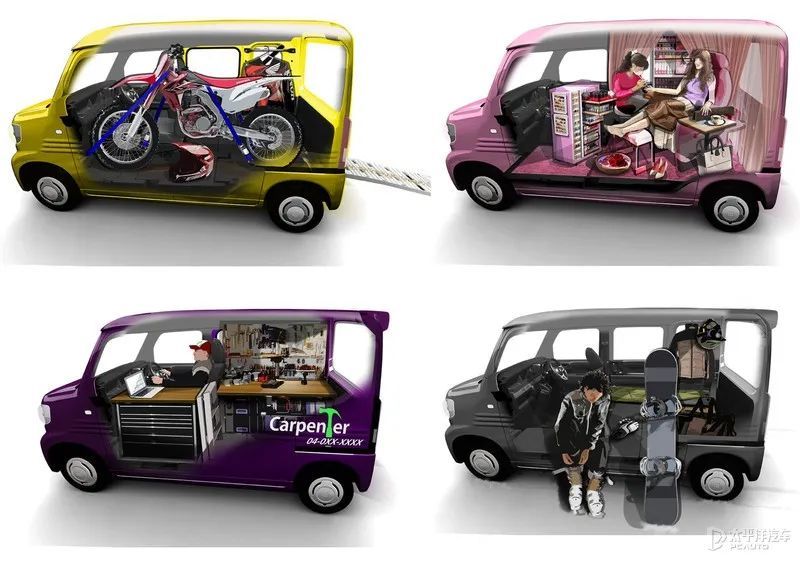
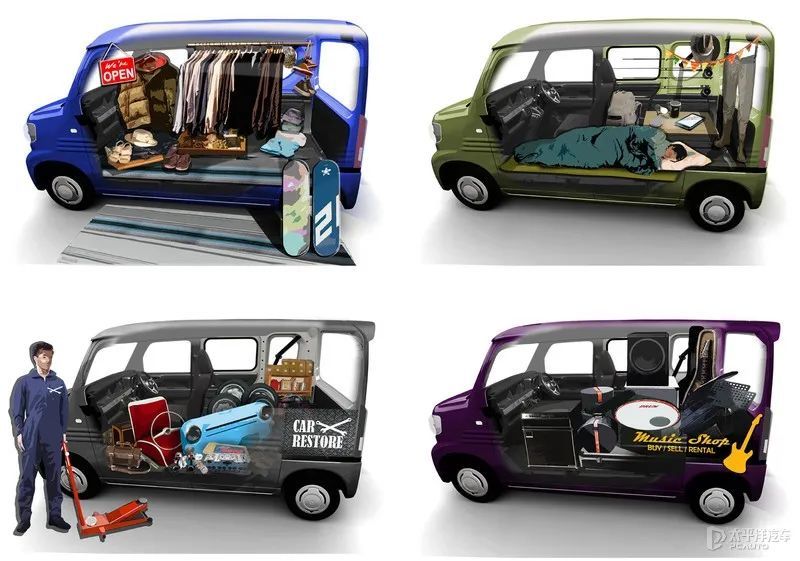
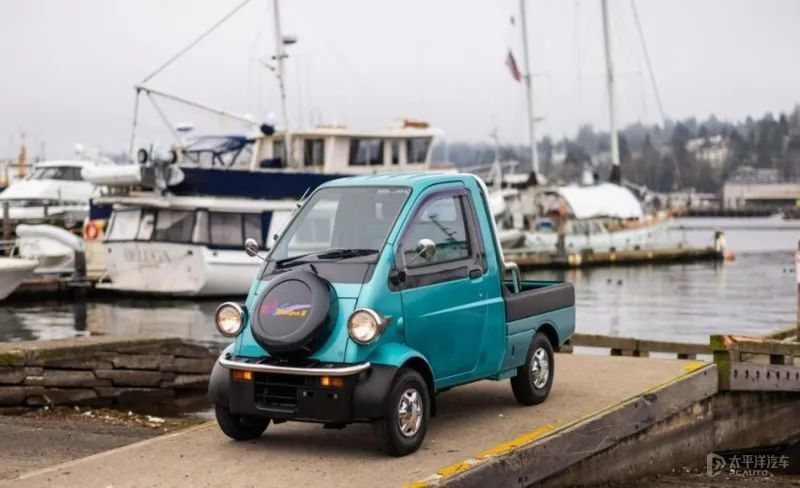
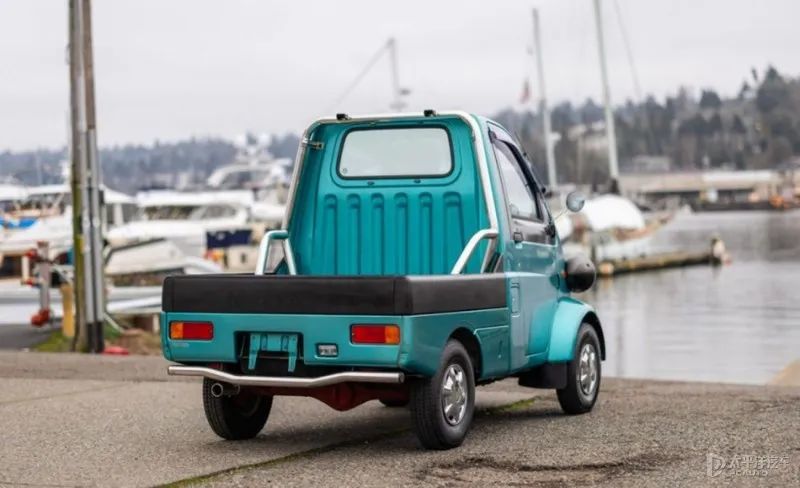
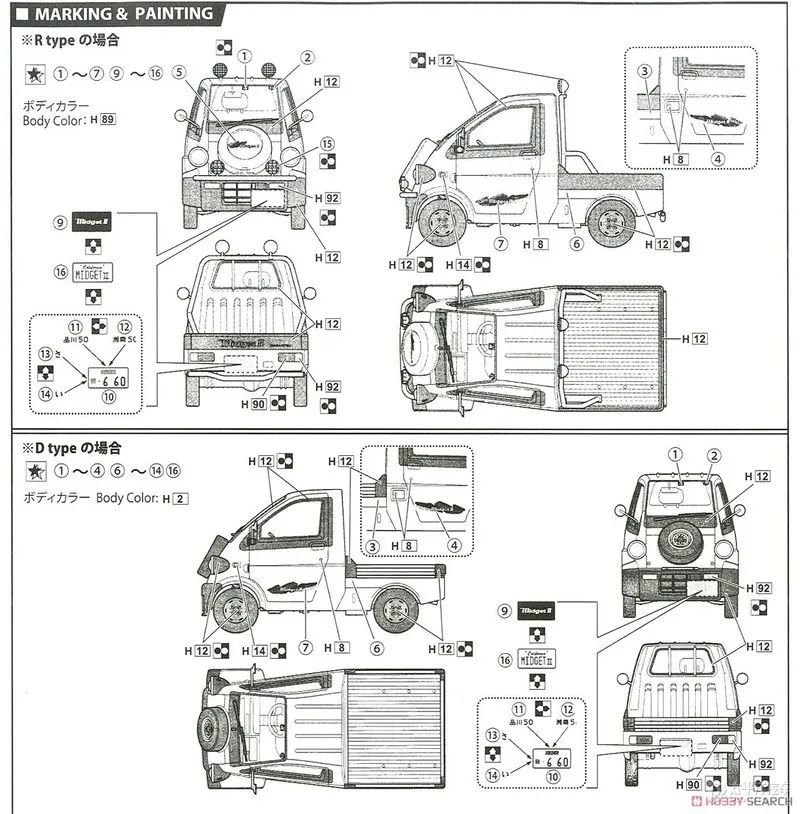
The second model is the Midget II Pick four-wheeled mini-pickup. The picture below shows the second-generation product in 1996, which is taken out because it is cute everywhere.
Previously, Midget I’s first-generation products were tricycles, which were produced in 1957, similar to Thai tutu cars; The second generation has been exported to western countries, and the second-hand price of this 660cc industrial waste can actually be sold for about 15 thousand RMB, which can only be said that things are rare and expensive.
Drive this car to work, and turn around 100%.
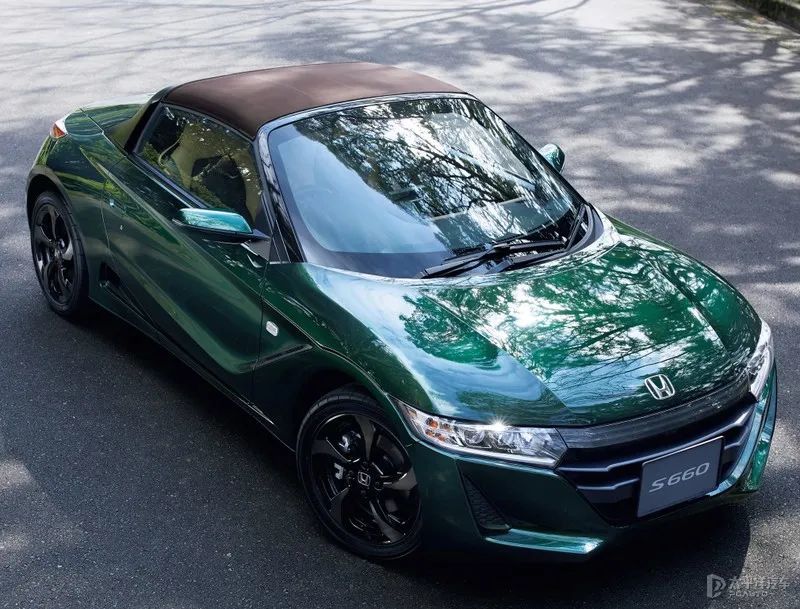
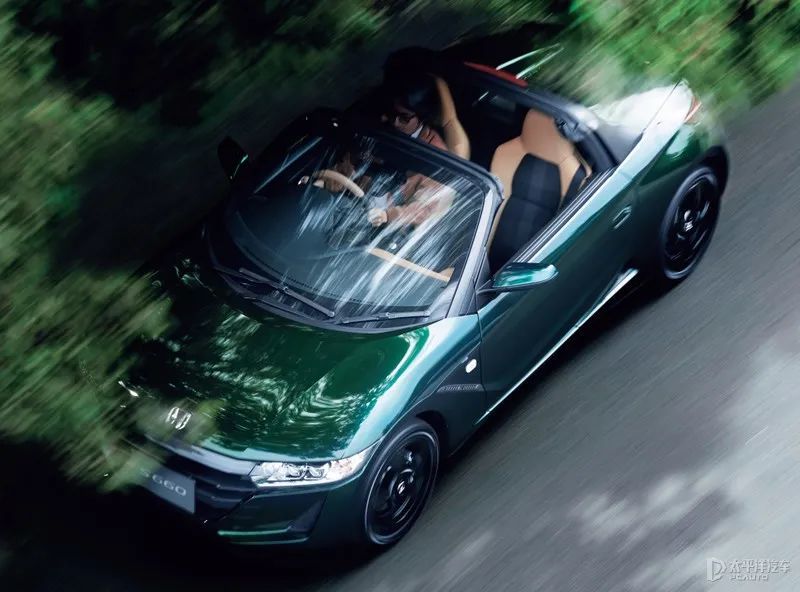
The last one is S660, the most invincible K-Car in my eyes, and I especially want to buy it.
However, S660 was officially discontinued in March this year.
This is the cheapest, most interesting and best quality mid-rear-drive convertible sports car we have ever bought.
This is simply a super concentrated MR supercar.

The last words: Thinking about China’s economy today from the Japanese Heisei era.
07
The last words: Thinking about China’s economy today from the Japanese Heisei era.
The economic development model in East Asia is actually very similar to the international division of labor system. It may be inevitable for us to follow the old path of Japan, but our landing method is not so hard.
After the initial stage of land reform, baby boom and industrialization, the demographic dividend has become a turbocharger for economic growth, and national income, savings and consumption have all increased greatly. The next step is to seek opportunities to achieve industrial upgrading.
Japan upgraded in the first oil crisis, and China now hopes to upgrade in the era of industrialization 4.0. The United States began to suppress China enterprises in the Trump era, which is a typical anti-upgrading means.
Around 2010, China began to phase out the labor-intensive low-end light industry that has been developing for 30 years. Upgrade or die.
This period is also the most serious skyrocketing period of China property market irrigation, because the money printed in China needs to find a place to absorb water, and the sponges found by printing money several times are the property market, but the local government is willing anyway. Real estate has become the most important local tax source. In recent decades, we have seen a great increase in urban infrastructure and citizens’ welfare, and we all need this steady and huge tax source.
After China’s entry into WTO, China achieved economic development by relying on the secondary industry and international trade. From 2006 to 2015 in golden decade, China’s GDP soared from 2.75 trillion US dollars to 11 trillion US dollars, and the proportion of GDP in the global economy changed dramatically by 1% every year.
At present, the GDP of the United States/China/European Union excluding Britain has formed a tripartite confrontation. In this wave of chaos between Russia and Ukraine, the United States, on the one hand, reaped the European Union and wanted to completely crush the hope of European revival; on the other hand, it made it clear that "only China is my biggest enemy", instead of falling into the quagmire of Europe, it continued to focus on East Asia.
It is right to put it in East Asia, because from the mid-1970s to the late 1980s, the booming Japanese industry made the United States suffer greatly, and the unemployment rate in the United States increased greatly, so the United States needed to harvest a wave of Japanese economic achievements with monetary weapons. In Japan after the Plaza Accord, the appreciation of the yen was blocked, and the external circulation failed, so the internal circulation started, the benchmark interest rate fell, and the excess liquidity caused the bubble in Japan’s domestic property market and stock market to blow bigger and bigger, and finally ended in a flat ending.
"Heisei abandoned house" and "660cc era of K-Car industry" happened almost simultaneously. K-cars, which were once considered to need to be eliminated, played a huge role in the era of economic contraction. The domestic JDM market in Japan maintained the sales of one million K-cars all the year round.
Lack of employment opportunities, stagnant income, rising prices and other factors have made Japanese families’ expenses tight, and K-Car with lower tax burden is obviously the best choice for families in non-first-tier cities. Why do K-Car mini-cars such as Hongguang EV, E-Star and Ice Cream have a market in China? Because there is sufficient consumer demand, and most of the demand is generated in non-first-tier cities where parking fees have not yet soared.
I dare not say that China will go down this old road harvested by American imperialists, and our country also tries to prevent this generation of young people from finding that "no longer taking pride in labor" is actually correct and comfortable. However, objective facts have brought us closer and closer along this terrible result, and the country has also discovered the signs that class contradictions have begun to turn from cold to hot.
Unlike our parents’ generation, they have few ways to make money, but many opportunities; There are many ways for our generation to make money, and even they can learn a trade in online classes, but the opportunities are few, which young people call "involution".
This word is partly correct, but now the meaning of the network is a bit crooked.
The epidemic situation in COVID-19 is not the root cause of the phenomenon of abandoned houses in Heisei, but it just puts this inevitable phenomenon a little ahead of schedule.
Of all the economic crises, "stagflation" is the most difficult, because the soaring prices are accompanied by the soaring unemployment rate, and the social strata with low economic resilience will be devastated.
When we open the history books, we will find that in many economic crises, there are always a large number of rich people, and the bottom will have a miserable life. Now caught in the middle, there is no money in the pocket of the small middle-class car that had the hope of upgrading consumption before, so it is only the second best to buy more entry-level models, and the K-Car class car is a very suitable choice.
Because of the economic take-off and effective anti-epidemic in recent years, Chinese’s cultural self-confidence has improved a lot, and the China market has begun to accept small cars again. Electrification is the best historical opportunity for the development of Chinese-style K-Car mini passenger cars.